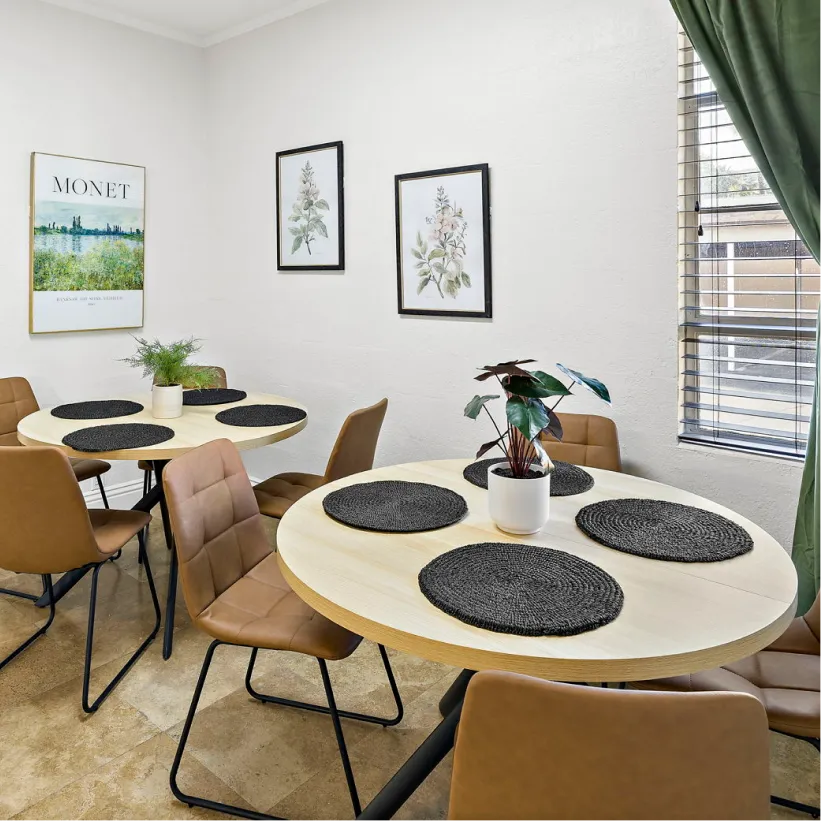
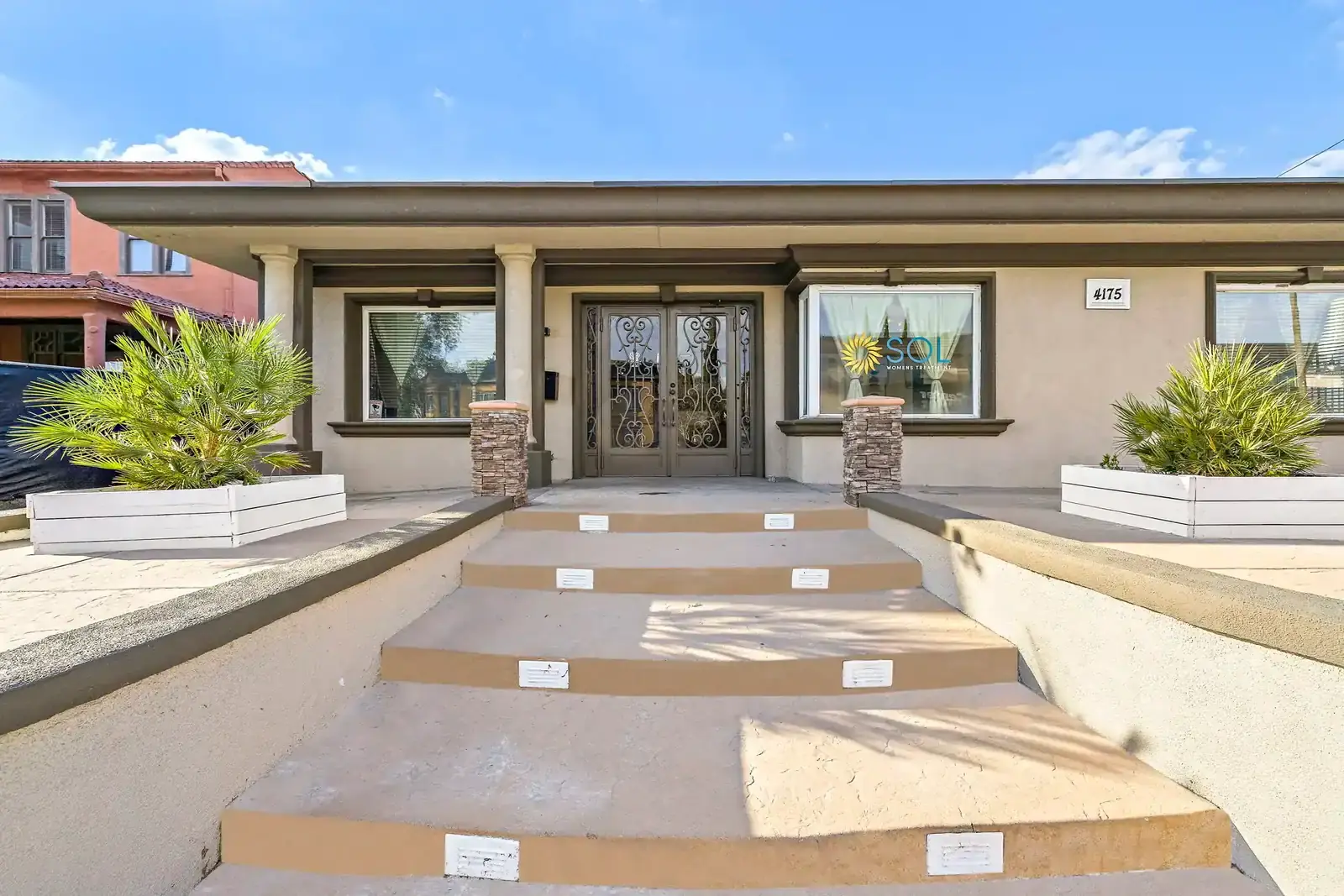
A separate organization’s homeSol provides the treatment.
The Home Belongs to Our Structured Housing Affiliate. The Treatment Is Ours.
Sol Women’s Treatment is your outpatient treatment provider, and we work closely with your chosen structured housing or sober living home. One option is the 10-bed home described on this page, operated by our affiliate (not Sol). Sol does not own, rent, manage, or staff any housing, and living in a housing option is not part of any Sol program. You live in the home of your choice, and you come to Sol during the day for your treatment.
In practice that means the house and everything inside it is the affiliate’s to answer for. What it costs, who can move in, how long you can stay, what the house expects of you, who is on site: those answers come from the affiliate, and they are the ones to give them. Your treatment plan, your therapist, your schedule and your insurance are Sol’s.
If somewhere to live is part of what you need, say so on your first call. Admissions share the link to housing resources and make sure your treatment days and your living arrangements line up, so you are not sorting out two things at once on your own.
What Is Sober Living?
Sober living, also called supportive housing or recovery housing, is a substance-free home where women live while they attend treatment during the day. It is not treatment. No clinical care is delivered where you live, no detox happens there and nobody in the home is treating you. What it gives you is a stable place to sleep and other women around you who want the same thing.
Women usually start looking for it when going home would put them back inside the situation they are trying to recover from, or when they simply have nowhere steady to stay. You keep your own routine and you come and go for treatment, work or school. How the home itself runs, and what is expected of you there, is set by the affiliate who owns it.
Key Takeaways
✓The home belongs to our structured housing affiliate, a separate organization. It is not Sol’s, and it is not part of any Sol program.
✓It is a 10-bed, all-female home about ten minutes from our treatment center, with 24/7 female house managers.
✓Sober living is a substance-free place to live, not treatment. No clinical care is delivered there.
✓It offers a structured environment for women attending PHP or IOP at Sol.
✓Our affiliate offers complimentary transportation for women living in the home.
Show all 5 takeaways
Why a Steady Home Can Support Your Healing
Much of healing happens in the quiet hours after the program day ends. Therapy helps you build new skills, and a calm, substance-free home gives you a gentle place to practice them, with other women around you who want the same thing.
Supportive housing can take some of the hardest decisions off your plate in the early weeks. For women who would otherwise return to a place that doesn’t feel safe or settled, it can offer a stretch of calmer, more ordinary days.
Rebuilding work, school, finances or your relationships takes time. A safe place to live while you do it can give you room to focus on your treatment.
Who Handles What
Two organizations, one plan for you. This is the clearest way to see where the line falls.
What it is
Provides
Decides
Bills you for
Answers questions about
Sol Women’s Treatment
What it is
An outpatient treatment program in Riverside
Provides
PHP, IOP and OP, therapy, groups, medication management
Decides
Your level of care and your treatment schedule
Bills you for
Treatment, through your insurance where it applies
Answers questions about
Your program, your therapist, your benefits
Our structured housing affiliate
What it is
A 10-bed home for women
Provides
A substance-free place to live
Decides
Who lives at the home, and on what terms
Bills you for
Living there
Answers questions about
The house: cost, availability, what living there involves
Sol does not set the terms of the home and cannot speak for the affiliate on them. Ask the affiliate directly, and ask early. Admissions will make the introduction.
Getting to Your Program Each Day
Our housing affiliate offers complimentary transportation for women living there.
If neither applies to you, tell admissions how you are planning to get here on your first call. They will talk through what works, including which start time makes the drive easiest.
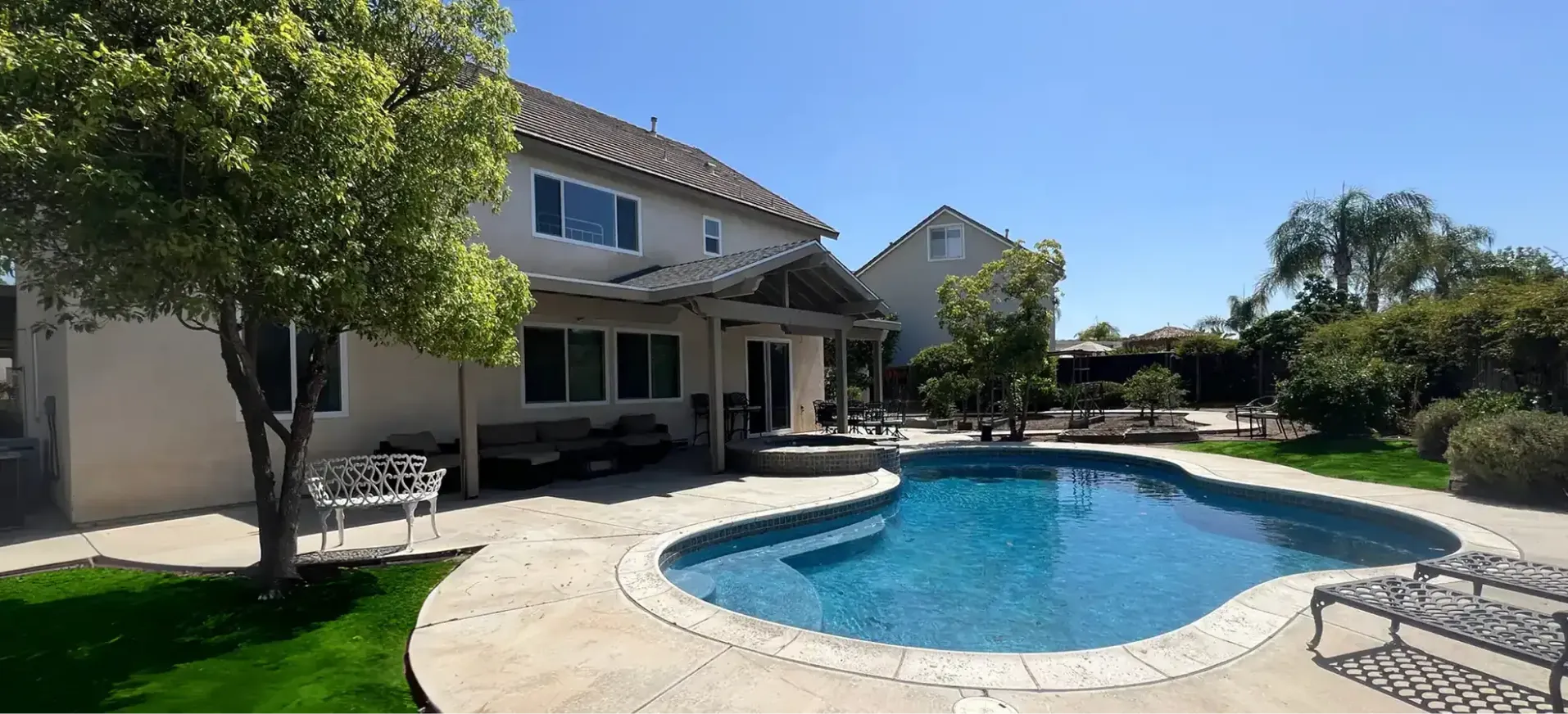
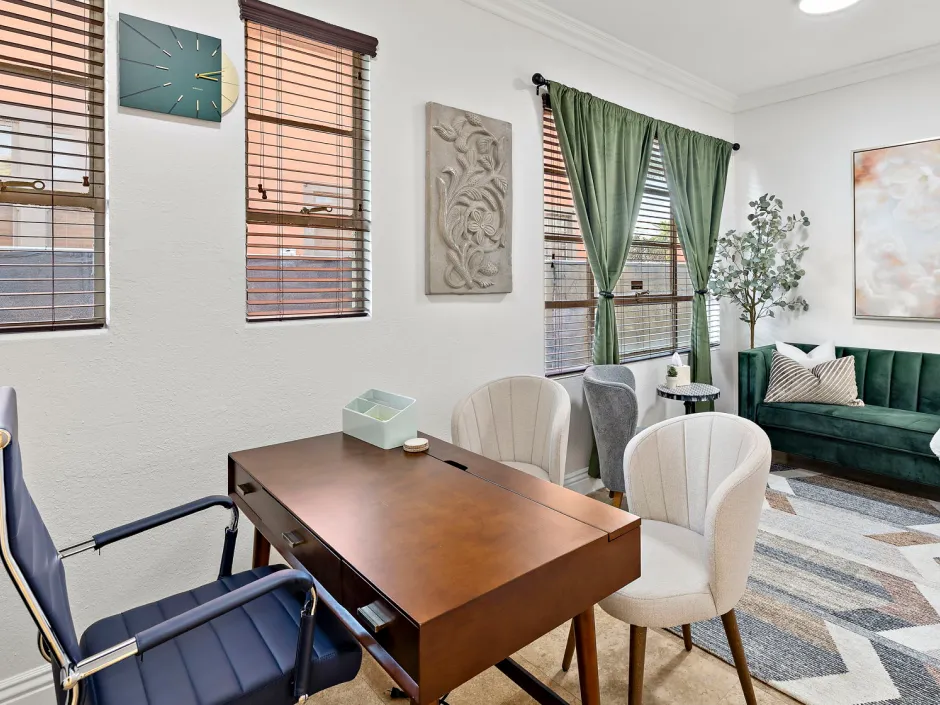
Inside our structured housing affiliate’s women’s home
Filmed at our structured housing affiliate’s home. The home is the affiliate’s, not Sol’s.
See the Home
A walk through the home, including the shared spaces and the bedrooms.
When Women Ask About Housing
These are the situations that usually bring the question up. Recognizing yourself here is a reason to raise it on your first call, not a set of requirements.
✓You are attending PHP or IOP at Sol, or you are about to be.
✓Going home would put you back around substances, or back in a situation you are trying to recover from.
✓You have nowhere settled to stay while you are in treatment.
✓Living alongside other women in recovery sounds like support rather than pressure.
✓Getting to your program day under your own steam would be hard.
Whether the home is right for you, and whether a bed is free, is the affiliate’s to answer. What Sol can tell you is which level of care fits and what your treatment would look like. If you need detox or round-the-clock medical care first, outpatient treatment is not the right step yet, and we’ll still help point you toward other options.
How Housing Fits With Treatment
Your day
With housing
Read more
PHPPartial hospitalization
Your day
9:00 AM to 1:30 PM, our most structured level
With housing
Common in the first weeks, when structure matters most
These are two separate questions, and it helps to keep them apart.
Treatment
Sol accepts most major insurance plans, including Aetna, Anthem, Blue Cross Blue Shield, Carelon, CareFirst, Cigna, UC SHIP and UnitedHealthcare. Every plan is different, so the quickest way to know is to verify your insurance. Sol can often work with HMO policies through a single case agreement. Sol does not accept Medi-Cal, Medicaid, Medicare, Molina, IEHP, Kaiser, TRICARE or TriWest.
Housing
The home is the affiliate’s, so what it costs and how it is paid for is arranged directly with them. Health plans do not usually pay for rent and board in a sober living home, whoever runs it. Ask admissions early and they will connect you with the affiliate so you know the number before you commit to anything.
Transportation
Our housing affiliate offers complimentary transportation for women staying in their housing.
How to Get Started
1
Call Admissions
One conversation, confidential, and nothing is committed. Tell them housing is part of what you need.
2
Clinical Fit
A clinician confirms which outpatient level suits you, because housing runs alongside treatment rather than instead of it.
3
Secure Housing
Admissions provides a list of housing resources. Everything to do with the home, including availability, cost and what living there involves, you agree with them directly. Sol does not decide any of it.
4
Move-In and Start Date
The two can be coordinated so you are not arriving in a new home and a new program on separate weeks. Starts are often available the next day.
Questions about the house? Call and ask for admissions.
“My Love, gratitude, growth, and connection cannot be described by words. This healing space brought me on my journey to safety and knowing that I was the miracle that I was always searching for. …”
JanetGoogle review
★★★★★
“Sol helped me through one of the hardest chapters in my life and helped me reintegrate into my daily life, but also make the changes I needed to grow. …”
CorrieGoogle review
★★★★★
“I just want to say I love this place and was so grateful to have gone here the Team here are truly the best and really helped me with my mental Health!! …”
MarinaGoogle review
Frequently Asked Questions
Our admissions line is answered 24 hours a day, 7 days a week at (951) 972-5085.
Is Sober Living the Same as Residential Treatment?
No. Residential treatment means living at a facility where clinical staff deliver care on site. Sober living is housing: you live there and attend treatment somewhere else during the day. Sol is an outpatient program and does not provide residential care or detox anywhere.
How Is This Different From a Halfway House?
Halfway houses are often tied to the courts or to a correctional release, with fixed stays and required reporting. This home is voluntary. You choose to live there, and the terms of your stay are agreed with the housing affiliate who owns the home.
Does Sol Run the Home?
No. The home belongs to our structured housing affiliate, a separate organization, and living there is not part of any Sol program. Sol provides the treatment you attend during the day. The two are arranged side by side so they fit together, but they are run by two different organizations.
How Many Women Live There?
It is a 10-bed home, so it is small by design. Who can move in, when a bed is free and what the terms are is the affiliate’s to answer, not Sol’s. Admissions will introduce you to them so you can ask directly.
Do I Have to Be in Treatment at Sol to Live There?
That is the affiliate’s to answer, since the home and its requirements are theirs. Many women staying in the home attend PHP or IOP with us, and admissions can introduce you to the affiliate so you can ask directly.
Is There Transportation From the Home to Sol?
Yes. Complimentary transportation is available for students and for women staying in our affiliate’s supportive housing. If neither applies to you, tell admissions how you plan to get here and they will talk it through with you.
Does Insurance Pay for Sober Living?
Plans do not usually cover rent and board in a recovery home. Your insurance may help with the treatment you attend during the day, and every plan is different, so the quickest way to know is to verify your insurance. Admissions can also put you in touch with the affiliate about what living there costs.
Can I Work or Go to School While I Live There?
Yes, and many women do. Your time outside your program day is yours. IOP suits this best, because you choose which three days you attend and whether you start at 9:00 AM or 10:30 AM, so the rest of the week can stay where it is.
How Long Can I Stay?
That is the affiliate’s to answer. They own the home and they set the terms of your stay, including how long it can run for. Agree that with them before you move in. On the treatment side, your level of care is reviewed with your clinician as you go and steps down as you steady.
Is the Home Only for Women?
The home our affiliate runs is for women. That matters to a lot of the women who come to Sol, because a women-only home can feel safer and easier to settle into. Anything else about how the home is run is the affiliate’s to describe.
Show all 10 questions
Somewhere Steady to Live While You Heal
Tell admissions that housing is part of the picture, and they will sort the treatment side and introduce you to our housing affiliate and other resources.
One call, no commitment, and you can ask the awkward questions first.
Medical Disclaimer
Nothing on this page is medical advice, a diagnosis or a recommendation to enter any particular level of care. The supportive housing described here is owned and operated by a separate structured housing affiliate. It is not a service of Sol Women’s Treatment and it is not part of any Sol program. Sol is certified by the California Department of Health Care Services for outpatient and intensive outpatient services, certification 330246AP, and licensed by the California Department of Social Services, facility 331881576. Sol provides treatment in person only, and provides no residential, inpatient or detox care of any kind. Every woman’s experience is her own, and nothing here promises a result. If you are in crisis, call or text 988 any time.


JanetGoogle review
CorrieGoogle review
MarinaGoogle review