Women’s Recovery Resources in Riverside, CA

Supportive Information for Women and Families Considering Treatment

Why Resources Matter in the Recovery Journey

Recovery is not a single decision—it’s a process filled with questions, uncertainties, and important choices. At Sol Women’s Treatment in Riverside, we know that women and families need more than program descriptions or service pages. They need resources that answer questions, explain options, and provide clarity at every stage of the journey.

Here you will find resources to support women, loved ones, and referral partners with information that guides decision-making. These resources cover the kinds of questions women often ask when considering treatment: What level of care is right for me? How does insurance work? What role can my family play? What does supportive housing look like?

Who This Resource Hub is For

Women considering treatment

for substance use, trauma, or mental health.

Families and loved ones

who want to understand how to support recovery.


Professionals and referral partners

seeking clear information about levels of care, insurance, and treatment expectations.

Types of Resources You’ll Find Here

At Sol Women’s Treatment, our Resource Hub is designed to answer the kinds of questions women and families often have while exploring treatment. These resources are more in-depth and evergreen than blogs, providing structured support at the consideration stage of recovery.

Treatment Navigation

Understanding the treatment landscape can feel overwhelming. Our resources walk women and families through what to expect at different levels of care—from Partial Hospitalization (PHP) to Outpatient (OP)—and how to determine which program may be the best fit. We also touch on the importance of dual diagnosis treatment, the value of gender-specific programs, and how to decide between staying local in Riverside or traveling out-of-state. These navigation guides provide practical insight for women deciding on their next step.

Family Support and Involvement

Families are vital to a woman’s recovery journey, but many loved ones don’t know how to help without enabling. Our resources provide guidance on setting healthy boundaries, the role of family therapy, and what to do if relapse happens. Whether you are a parent, sibling, partner, or close friend, these resources help you understand the recovery process and support your loved one with compassion and confidence.

Insurance and Financial Guidance

Financial concerns are one of the biggest barriers to entering treatment. Our insurance resources break down behavioral health coverage in plain language. We explain how single-case agreements work, what to do if your insurance denies coverage, and what private pay options look like. We also highlight which major providers we work with and how women’s-only programs like Sol are often covered, even when it feels like options are limited.

Recovery Lifestyle and Aftercare

Recovery doesn’t stop after completing a program—it’s a lifelong journey. Our aftercare resources highlight what comes next: supportive housing, building sober networks, transitioning from intensive programs to independent living, and developing relapse prevention strategies. We also provide tips for everyday wellness, including mindfulness practices, nutrition, and stress management tools that sustain recovery long-term.

Educational Guides for Professionals

Referral partners such as therapists, hospitals, or EAPs often seek information about gender-specific care. Our resources for professionals explain why women’s programs are essential, how to connect clients with Sol, and what evidence-based therapies are most effective in treating trauma, substance use, and co-occurring disorders.

Treatments and Therapies that Support Women’s Recovery

While Levels of Care (PHP, IOP, OP) and Programs (such as Relationship Recovery or Trauma-Targeted) define where a woman is in treatment and what track she follows, our therapeutic modalities define how we help her heal. These treatments are integrated into every level of care, personalized to meet each woman’s needs, and delivered by licensed clinicians with years of expertise.

Here are some of the core treatments you’ll find at Sol Women’s Treatment. Each one plays a unique role in addressing substance use, mental health, and trauma for women in Riverside and the Inland Empire.

Cognitive Behavioral Therapy (CBT)

CBT is one of the most widely used evidence-based therapies for addiction and mental health. It helps women identify harmful thought patterns and replace them with healthier, more balanced perspectives. In practice, CBT teaches practical coping skills, improves problem-solving, and provides tools to handle triggers and stress in everyday life.

Dialectical Behavior Therapy (DBT)

Originally developed for borderline personality disorder, DBT has become a gold standard for treating emotional dysregulation, self-harm behaviors, and trauma-related conditions. At Sol, DBT is used to help women learn emotion regulation, distress tolerance, mindfulness, and interpersonal effectiveness. These skills are especially important for women who have experienced trauma or struggle with intense relationships.

Eye Movement Desensitization and Reprocessing (EMDR)

EMDR is a specialized therapy for trauma and PTSD. Guided by an EMDRIA-certified clinician, women use bilateral stimulation (eye movements, sounds, or taps) to safely reprocess traumatic memories. This reduces the emotional intensity of painful experiences, allowing women to move forward without being trapped by their past. EMDR is one of the most effective trauma therapies available and is a cornerstone of our women’s trauma treatment.

Acceptance and Commitment Therapy (ACT)

ACT is a therapy that helps women accept difficult emotions while committing to behaviors aligned with their values. Instead of trying to control or suppress painful thoughts, women learn to face them with self-compassion and focus on what matters most—whether that’s family, career, health, or personal growth.

Somatic Therapy

Trauma often lives in the body, not just the mind. Somatic therapy helps women reconnect with their bodies through gentle physical awareness, breathwork, and grounding exercises. This therapy is particularly effective for survivors of trauma, teaching them to regulate stress responses and feel safe in their own skin.

Art and Music Therapy

Creative therapies allow women to express emotions that may be difficult to put into words. Art therapy uses drawing, painting, and other forms of creative expression, while music therapy provides emotional release through rhythm and sound. Both modalities create safe, healing outlets that complement traditional talk therapy.

Mindfulness and Meditation

Mindfulness practices, including guided meditation and mindful breathing, teach women how to stay grounded in the present moment. These techniques reduce anxiety, improve focus, and help regulate stress. For many women, mindfulness becomes a lifelong tool for maintaining balance in recovery.

Sound Bath and Breathwork

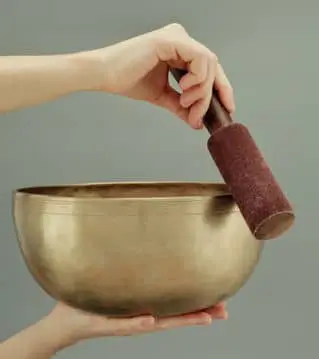
Holistic modalities like sound baths and breathwork promote relaxation and emotional release. A sound bath uses resonant instruments such as crystal bowls to create calming vibrations, while breathwork uses controlled breathing exercises to reduce stress and release tension. These therapies help women feel centered, relaxed, and restored.

At Sol, these therapies are never “one-size-fits-all.” Every treatment plan is tailored to the individual, ensuring that women receive the right combination of evidence-based and holistic care to support their healing journey.

What to Expect in Women’s Supportive Housing

Supportive housing can be the difference between sustained recovery and relapse, but many families don’t know what it looks like. Our supportive housing resource will outline:
What daily life looks like in a women-only recovery home.
How house managers provide accountability and structure.
The role of peer support in recovery.
How housing supports the transition from IOP/PHP to independence.
This type of resource reassures families and helps women feel confident about taking the next step.

Why Build Resources with Sol Women’s Treatment

Women-Centered

All content is written from the perspective of women’s unique needs.

Authority & Clarity

We combine clinical expertise with plain-language guides.

Local Relevance

Resources reflect life in Riverside, Redlands, Yucaipa, and the Inland Empire.

Trust for Families & Partners

Supportive, non-judgmental content helps families and referral partners feel confident in Sol.
  • Women-Centered
    All content is written from the perspective of women’s unique needs.
  • Authority & Clarity
    We combine clinical expertise with plain-language guides.
  • Local Relevance
    Resources reflect life in Riverside, Redlands, Yucaipa, and the Inland Empire.
  • Trust for Families & Partners
    Supportive, non-judgmental content helps families and referral partners feel confident in Sol.

Take the Next Step

Whether you’re a woman considering treatment, a family member seeking answers, or a professional looking for educational tools, this hub is here to guide you.

Explore our resources, share them with loved ones, and call us if you need clarity about your next step.

Blog

my wife drinks a bottle of wine a night

My Wife Drinks a Bottle of Wine a Night: What It Means and What You Can Do

This article focuses on if your wife drinks a bottle of wine a night as a specific, concrete pattern to...
Read More
vyvanse-side-effect

Vyvanse Side Effects in Females: A Practical, Evidence-Based Guide

Vyvanse (lisdexamfetamine) is a prescription central nervous system stimulant approved for ADHD treatment and binge-eating disorder. It produces a range...
Read More
A woman sitting at a table looking thoughtfully at a medication bottle and a glass of water.

Can You Drink on Wellbutrin (Bupropion)? Risks, Safety Tips, and What to Do

Drinking alcohol while taking Wellbutrin (bupropion) is a safety concern that requires careful consideration because bupropion lowers the seizure threshold,...
Read More
A woman sitting peacefully in a bright room, symbolizing physical and mental wellness after recovery.

Understanding Female Alcoholic Face: Signs, Skin Changes, and What Helps

Female alcoholic face refers to visible skin and facial changes — persistent redness, spider veins, puffiness, and dull tone —...
Read More
Making informed lifestyle choices during the three-month preconception window can help optimize hormonal health and fertility.

How Does Alcohol Affect Hormones in Females? Effects on Estrogen, Ovulation, and Fertility

Alcohol affects female hormones by altering liver metabolism of sex steroids, disrupting hypothalamic-pituitary-gonadal signaling, and changing circulating levels of estrogen,...
Read More
A woman tracking her menstrual cycle on a tablet while staying hydrated

Why Does My Period Stop When I Drink Alcohol? Causes, Effects, and What to Do

Alcohol-related menstrual changes occur when drinking disrupts hormone levels that regulate ovulation and bleeding patterns, potentially causing periods to stop,...
Read More
A woman in a supportive recovery setting practicing hydration to manage alcohol withdrawal symptoms

How to Stop Alcohol Shakes: Safe Steps, Timeline, and When to Seek Care

Alcohol withdrawal tremors are involuntary muscle shaking caused by nervous system hyperactivity after reducing or stopping heavy alcohol use. Physical...
Read More
a woman in bed in riverside california with insomnia from alcohol abuse

How to Stop Alcohol Insomnia: Practical Steps to Restore Sleep in Early Recovery

Alcohol insomnia is a sleep disorder characterized by difficulty falling asleep, staying asleep, and experiencing restorative rest during and after...
Read More
A group of women discussing how to stop alcohol cravings

How to Stop Alcohol Cravings: Practical, Evidence-Based Strategies and When to Seek Help

Alcohol cravings are strong urges to drink that result from neurological adaptations, psychological triggers, and conditioned behavioral patterns, and can...
Read More
woman looking distraught

Emotional Numbness: Causes, Symptoms, and Ways to Recover for Women

Have you ever felt like you’re going through the motions of life but can’t actually feel anything? Like you’re watching...
Read More
woman talking to doctor

How Women Can Taper Off Alcohol Safely?

For women struggling with alcohol dependence, the decision to reduce or quit drinking is an important step toward wellness. At...
Read More
Stressed person With Papers And Charts

How to Deal with Feeling Overwhelmed

Feeling overwhelmed can leave you paralyzed, scattered, and exhausted—like you’re drowning in responsibilities while your mind races in circles. At...
Read More
How to Taper Off Alcohol Safely — A Practical, Evidence-Aware Guide

The Role of Somatic Therapy in Treating Anxiety and Depression

If you’ve been living with anxiety or depression, you know these conditions affect far more than your thoughts and emotions....
Read More
How to Deal with Overwhelm: Practical, Trauma‑Informed Strategies for Women

Understanding Somatic Therapy: How Your Body Holds Trauma

When you think about healing from trauma, you might imagine sitting in a therapist’s office, talking through your experiences. While...
Read More

Pregnancy Anxiety: Mental Health Support During Pregnancy

Pregnancy brings profound physical and emotional changes that can trigger or intensify anxiety for expectant mothers. While some worry about...

Read More

Holistic Mental Health: Combining Traditional Therapy with Wellness Practices

The journey to mental wellness doesn’t follow a single path. While evidence-based therapies like CBT and DBT provide essential tools...
Read More

Signs of Burnout: When Is It Time to Make a Change?

Do you wake up each morning feeling exhausted before your day even begins? Does the work you once found meaningful...
Read More

What Is Gaslighting: How to Know if You’re Being Gaslit

If you’ve ever found yourself questioning your own memory, doubting your perceptions, or wondering if you’re “too sensitive,” you may...
Read More

PHP vs. IOP: Which Mental Health Treatment Level is Best for You?

Choosing the right level of mental health care can feel overwhelming, especially when you’re already struggling with anxiety, depression, trauma, or other mental...
Read More

Trauma Bonding: Why Women Stay in Toxic Relationships

Understanding the psychological patterns that keep women trapped in harmful relationships If you’ve ever wondered why intelligent, capable women stay...
Read More
a woman holding a cup of coffee

Understanding High-Functioning Anxiety in Women

On the outside, Sarah appears to have it all together. She’s a successful marketing professional, maintains an active social calendar,...
Read More
a woman sitting on a dock

What are the Best Non-Medication Treatments for Depression?

Depression affects millions of people worldwide, and while medication can be effective for many, there are numerous evidence-based non-medication approaches...
Read More
a woman sitting on the sidewalk

The Cycle of Abuse: Understanding Battered Woman Syndrome

Intimate partner violence affects millions of women across the United States, with approximately 41% of women experiencing contact sexual violence,...
Read More
a woman sitting on a step

Signs It’s Time to Seek Mental Health Support as a Woman

As women, we’re often conditioned to prioritize everyone else’s needs before our own. We juggle multiple roles—professional, caregiver, partner, friend—while...
Read More
a group of women standing in a greenhouse

The Benefits of Supportive Housing for Women

When women face mental health challenges, the environment where they heal can be just as important as the treatment they...
Read More
a group of women giving each other high five

Outpatient Mental Health Programs in Riverside: What Women Should Know

Mental health challenges affect millions of women across the United States, yet many struggle to find treatment programs that truly...
Read More
a woman standing in front of a train

Symptoms of PTSD after Domestic Abuse

Domestic abuse can have profound and lasting psychological effects long after you’ve left the relationship. One of the most common...
Read More
a group of women smiling

Why Is Depression More Common in Females?

Depression affects millions of people worldwide, but research consistently shows that women are approximately twice as likely as men to...
Read More