


Heroin Addiction in Women

Heroin addiction can take hold quickly — often after prescription opioids are no longer available. For women, what begins as a search for relief or escape can become an all-consuming dependency.
At Sol Women’s Treatment, we understand that heroin addiction isn’t about willpower — it’s about pain, trauma, and the need for healing. Our women-centered programs help women break free from heroin’s grip and rebuild their lives with compassion and clinical expertise

Quick Takeaway

Heroin addiction affects women both physically and emotionally, often developing after prescription opioid misuse. Sol Women’s Treatment offers trauma-informed, evidence-based programs that address the root causes of addiction and support long-term recovery.

What Is Heroin Addiction?

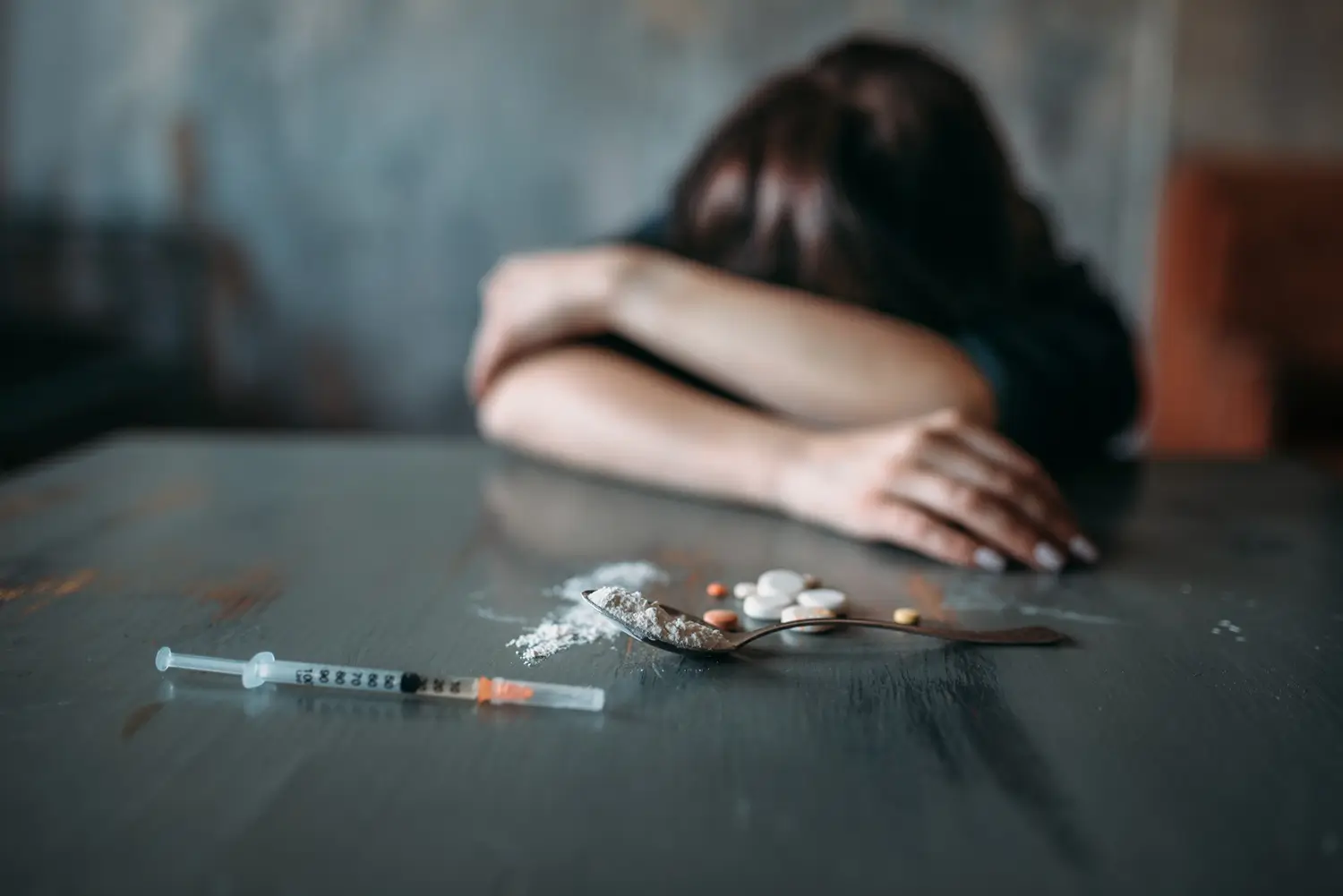
Heroin is an opioid derived from morphine that produces intense euphoria and relaxation. It can be injected, smoked, or snorted — each method carrying serious health risks.
Regular use alters the brain’s reward system, making it nearly impossible to feel pleasure without the drug. This powerful dependency leads to physical withdrawal and psychological distress when attempting to quit.

Signs and Symptoms of Heroin Addiction

Heroin addiction can manifest subtly at first but quickly escalates. Common signs include
Constricted pupils and drowsiness
Sudden weight loss
Isolation or secrecy
Neglecting responsibilities
Financial or legal issues
Frequent flu-like symptoms
Women struggling with heroin addiction often hide their use out of shame or fear of judgment — delaying help until a crisis occurs.

Short-Term and Long-Term Effects

Short-term effects

Intense euphoria followed by sedation
Slowed breathing and heart rate
Nausea and itching

Long-term effects

Collapsed veins and infections
Liver and kidney damage
Hormonal and reproductive issues
Depression and anxiety
Overdose and death risk
Because women’s bodies absorb heroin faster and process it differently, they can experience dependency more rapidly than men.

Why Women Are Uniquely Affected by Heroin Addiction

Many women begin using heroin after prescription opioids are discontinued — seeking to avoid painful withdrawal. Others use heroin to self-medicate emotional trauma or mental health issues.

Key gender-specific factors include

Trauma history

Abuse, grief, or relationship distress often precede use.

Co-occurring disorders

Anxiety, depression, and PTSD amplify vulnerability.

Caretaking pressure

Women often delay treatment due to family responsibilities.
At Sol Women’s Treatment, we address these underlying issues through individualized, trauma-informed therapy.

Treatment for Heroin Addiction at Sol Women’s Treatment

Breaking heroin addiction requires structure, support, and safe therapeutic engagement. Sol provides:

Partial Hospitalization (PHP)

 Intensive, structured day program with clinical and holistic care.

Intensive Outpatient (IOP)

Flexible treatment that fits around work and family.

Outpatient (OP)

Step-down recovery support and relapse prevention.

Therapeutic Approaches

CBT and DBT for emotional regulation
Trauma therapy (EMDR, somatic work)
Holistic therapies (yoga, art, mindfulness)
Peer and family support groups

Taking the Next Step

If you’re struggling with heroin use or relapse, know that recovery is possible. Sol Women’s Treatment offers specialized care that helps women find safety, stability, and strength in sobriety.
Contact us today to begin the path to recovery and rediscover your potential.

FAQs About Heroin Addiction in Women

How does heroin addiction start?

It often begins after prescription opioid use or as a way to manage emotional pain.

What are the withdrawal symptoms of heroin?

Flu-like symptoms, body aches, anxiety, sweating, and insomnia are common during withdrawal.

Can women recover from heroin addiction without inpatient care?

Yes. Many women find success through outpatient programs that combine therapy and holistic healing.

How does Sol Women’s Treatment help with heroin addiction?

By offering trauma-informed, women-focused programs that treat both the addiction and its emotional roots.
chevron-right