



Mental Health Conditions
Anxiety Treatment in Riverside, CA Treatment Center in Riverside


Key Takeaways
You may benefit from structured treatment if you notice:
Daily impact. Anxiety is interfering with sleep, work, school, parenting, or your relationships.
Physical symptoms. Panic, chest tightness, trembling, stomach upset, or muscle tension that will not ease.
Avoidance. You are skipping places, people, or conversations to keep the anxiety down.
Looping worry. The what-ifs keep running even when you know you are safe.
Things are getting harder. Symptoms are building despite self-help or previous therapy.
If any of this sounds familiar, an assessment is a low-pressure place to start. Nothing is decided in one conversation.

Types of Anxiety We See in Women
Anxiety wears different faces. Naming yours is not about putting a label on you. It helps your clinician choose the right approach from the start.
Anxiety Through a Woman’s Life Stages
Anxiety rarely stays the same across a lifetime. It shifts with hormones, roles, and the weight a woman is carrying at a given moment. Care that ignores that is only doing half the job.
The early adult years. School, first jobs, and the pressure to have it figured out. Anxiety here often looks like perfectionism and overwork rather than obvious distress.
Pregnancy and postpartum. Hormonal shifts, broken sleep, and a new kind of responsibility can turn background worry into something much louder. We support women through this alongside our postpartum depression care.
The caregiving years. Holding a job, a household, aging parents, and children at once. Many women only notice how anxious they are when their body finally makes them stop.
Perimenopause and beyond. Sleep changes, mood changes, and anxiety that seems to arrive from nowhere. Our health and fitness coach holds certifications in perimenopausal and menopausal coaching, so this season gets taken seriously rather than waved off.
Care for what comes with anxiety. Many women live with anxiety alongside depression, trauma, or substance use. Your treatment plan addresses those together, in one coordinated outpatient team, rather than sending you to separate providers who never speak to each other.
Mind and body together. Somatic therapy and mindfulness help your nervous system settle, which is often what makes CBT and DBT skills actually hold up outside the therapy room.
Practice in good company. Small, women-only groups take the edge off the isolation and make skill-building feel less exposing.
Anxiety often has roots that skills alone do not reach. When it is tied to past trauma, coping tools can help a woman get through the week while the thing underneath stays untouched. That is why we pair skills-based work like CBT and DBT with trauma-focused therapy such as EMDR, and why somatic and mindfulness practice sits alongside both. The aim is not just a quieter week. It is a nervous system that has somewhere safer to land.
When Anxiety and Substance Use Happen Together
A glass of wine to quiet the racing thoughts. Something to help you sleep. For a lot of women, drinking or using starts as anxiety management and slowly becomes its own problem, which then makes the anxiety worse. It is a loop, and it is a common one.
Treating one and ignoring the other rarely holds. Our team addresses both in the same plan, with the same clinicians, so nothing gets handed off and lost. If substance use is part of your picture, you can say so at your assessment without worrying about how it will land.

Our Anxiety Treatment Programs
Anxiety does not look the same in every woman, so we offer three outpatient levels of care. Your clinician helps you choose the one that fits both your symptoms and the rest of your life.
Your exact schedule is set with your clinician after your assessment. Supportive housing through our partner is available alongside PHP and IOP if you would feel steadier with somewhere calm to come home to.
Beyond Talk Therapy
Anxiety lives in the body as much as the mind. Alongside therapy, our program includes practices led by credentialed practitioners who work with the physical side of it. These sit beside your clinical care, not instead of it.
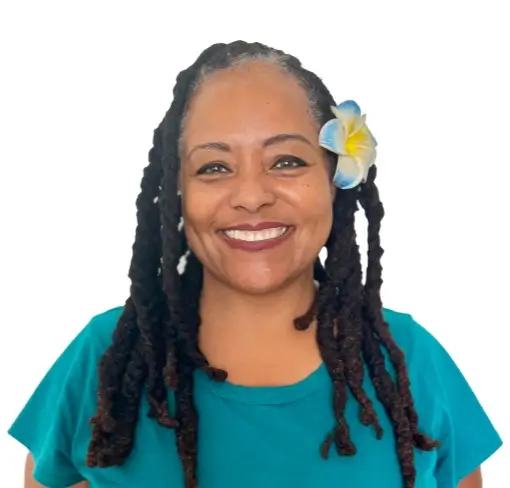
Meet the Clinicians Behind Your Anxiety Care
You should know who you would be working with before you call.




Explore Our Therapies and Programs

What to Expect: Admissions and Your First Week
You will not be doing this alone, and you will know what is happening at every step.
Using Your Insurance for Anxiety Care
Cost should not be the reason you wait. We will verify your insurance benefits, explain what your plan covers for outpatient anxiety care in plain language, and lay out your options. A woman from our admissions team responds within 24 hours. There is no pressure, and no commitment from you.
We are on Brockton Avenue in Riverside, and we work with women across the Inland Empire. Women also travel to us from Orange County, Los Angeles, and San Diego for women-only, trauma-informed outpatient care. Our team will help you build a schedule that makes the trip workable.

Frequently Asked Questions About Anxiety Treatment
Many major plans cover outpatient care for anxiety, and coverage varies by plan. The fastest way to know is to verify your insurance. We will review your benefits and explain what your plan covers and what to expect, and a woman from our admissions team will get back to you within 24 hours. Sol does not accept Medicaid or Medicare.
Cost depends on your level of care and your insurance benefits, so there is no single price we can post honestly. Verify your insurance and we will walk you through your coverage and what to expect, usually within one business day.
Your first appointment is a confidential assessment with our clinical team. We will talk through your anxiety symptoms, your history, and what you want treatment to change, then build a plan around that. It is a conversation, not a test, and you set the pace.
Length depends on your symptoms, your goals, and the level of care you start in. Your clinician reviews your progress with you regularly and adjusts the plan as things change, so you are never guessing about where you are in the process.
Therapies like CBT, DBT, and EMDR are widely used for anxiety because they give you concrete skills and a way to work through what is driving the symptoms. Results vary from person to person, which is why your plan is built around your history, your goals, and a pace that feels safe.
Outpatient care means you get structured support while staying in your own home and routine. You keep working, studying, or parenting, and you practice new skills in the places where anxiety actually shows up, which is usually where they stick best.
Our IOP is built to work around a schedule, which is why many women choose it while they are working, studying, or caring for family. Talk with our admissions team about what your week looks like and we will find a fit.
Yes. Many women come to us with anxiety alongside depression, trauma-related conditions, or substance use concerns. Your plan addresses those together in one coordinated outpatient team rather than treating them separately.
We are women-only, with a maximum of 25 clients at a time, so care stays personal. Our founder and Chief Clinical Officer is a licensed clinician who built the program around trauma-informed care, and our therapy menu spans eleven modalities including EMDR, DBT, CBT, somatic, and holistic work. Supportive housing through our partner is available if you want extra stability while you are in treatment.
Call us at (951) 972-5085 or submit the Verify Insurance form. We will set up a confidential assessment, review your insurance, and help you decide on next steps. A woman from our admissions team responds within 24 hours.
Taking the First Step
Reaching out takes courage, and it is where this starts. You can verify your insurance online or call our admissions team to talk it through. We will respond within 24 hours, walk you through your coverage, and help you find the level of care that fits. Whenever you are ready, we are here.