

Prescription Drug Addiction

Prescription Drug Addiction in Women Drug

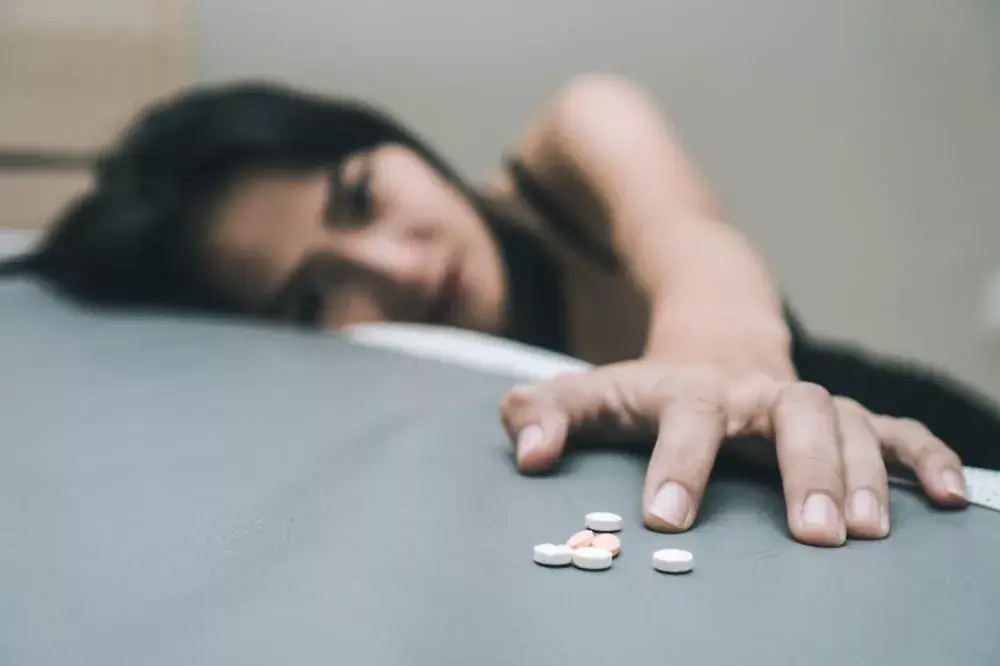
Prescription medications are often taken with trust — to manage pain, anxiety, or sleep — but for many women, dependence can develop quietly and unexpectedly. Whether it’s painkillers, sedatives, or stimulants, misuse can spiral into addiction before warning signs are recognized.
At Sol Women’s Treatment, we help women understand how prescription drug addiction forms, why it impacts women differently, and how to heal through compassionate, evidence-based treatment.

Quick Takeaway

Prescription drug addiction often begins with legitimate medical use. Women face higher risk due to prescribing patterns, trauma, and stress-related conditions. Sol Women’s Treatment provides gender-specific care to help women recover from prescription dependence safely.

What Is Prescription Drug Addiction?

Prescription drug addiction occurs when medications are used compulsively, in higher doses, or for longer periods than prescribed. Commonly misused classes include:

Opioids

For pain (e.g., oxycodone, hydrocodone

Benzodiazepines

For anxiety or insomnia (e.g., Xanax, Valium)

Stimulants

For focus or energy (e.g., Adderall, Ritalin)
Dependence develops when the body adapts to the drug’s effects, leading to cravings, withdrawal, and loss of control.

Signs and Symptoms of Prescription Drug Addiction

Running out of medication early or “doctor shopping”
Mood swings or irritability
Memory issues or fatigue
Withdrawal symptoms between doses
Anxiety or panic when medication is unavailable
Mixing prescriptions with alcohol or other drugs
Because many women begin use under medical supervision, addiction often goes unnoticed until it severely affects daily life.

Short-Term and Long-Term Effects

Short-term effects

Drowsiness or hyperactivity (depending on drug type)
Slowed reaction time or poor judgment
Nausea or dizziness

Long-term effects

Cognitive decline and emotional blunting
Organ strain (liver, kidneys)
Increased anxiety, depression, or insomnia
Risk of overdose when combined with alcohol or other sedatives

Treatment for Prescription Drug Addiction at Sol Women’s Treatment

Healing begins with understanding the root causes of dependence.

Programs

Partial Hospitalization (PHP)

Intensive clinical and therapeutic structure

Intensive Outpatient (IOP)

Flexibility for women balancing recovery with responsibilities

Outpatient (OP)

Continued accountability and relapse prevention

Therapies

CBT, DBT, trauma therapy, mindfulness, nutrition, and holistic wellness — all within a safe, women-only environment.

Taking the Next Step

If you’re struggling to stop prescription medications or feel dependent on them to function, help is available. Sol Women’s Treatment provides compassionate care that honors your story while guiding you toward freedom and stability.

FAQs About Prescription Drug Addiction in Women

What types of prescription drugs are most addictive?

Opioids, benzodiazepines, and stimulants carry the highest risk for dependence.

Why do women become addicted more often?

Women are prescribed these medications more frequently and experience stronger effects due to biological and emotional factors.

Can I stop prescription drugs on my own?

Abruptly stopping can be dangerous. Medical guidance and structured therapy are essential.

How does Sol Women’s Treatment help?

Through trauma-informed, holistic programs that rebuild physical health and emotional resilience.
chevron-right