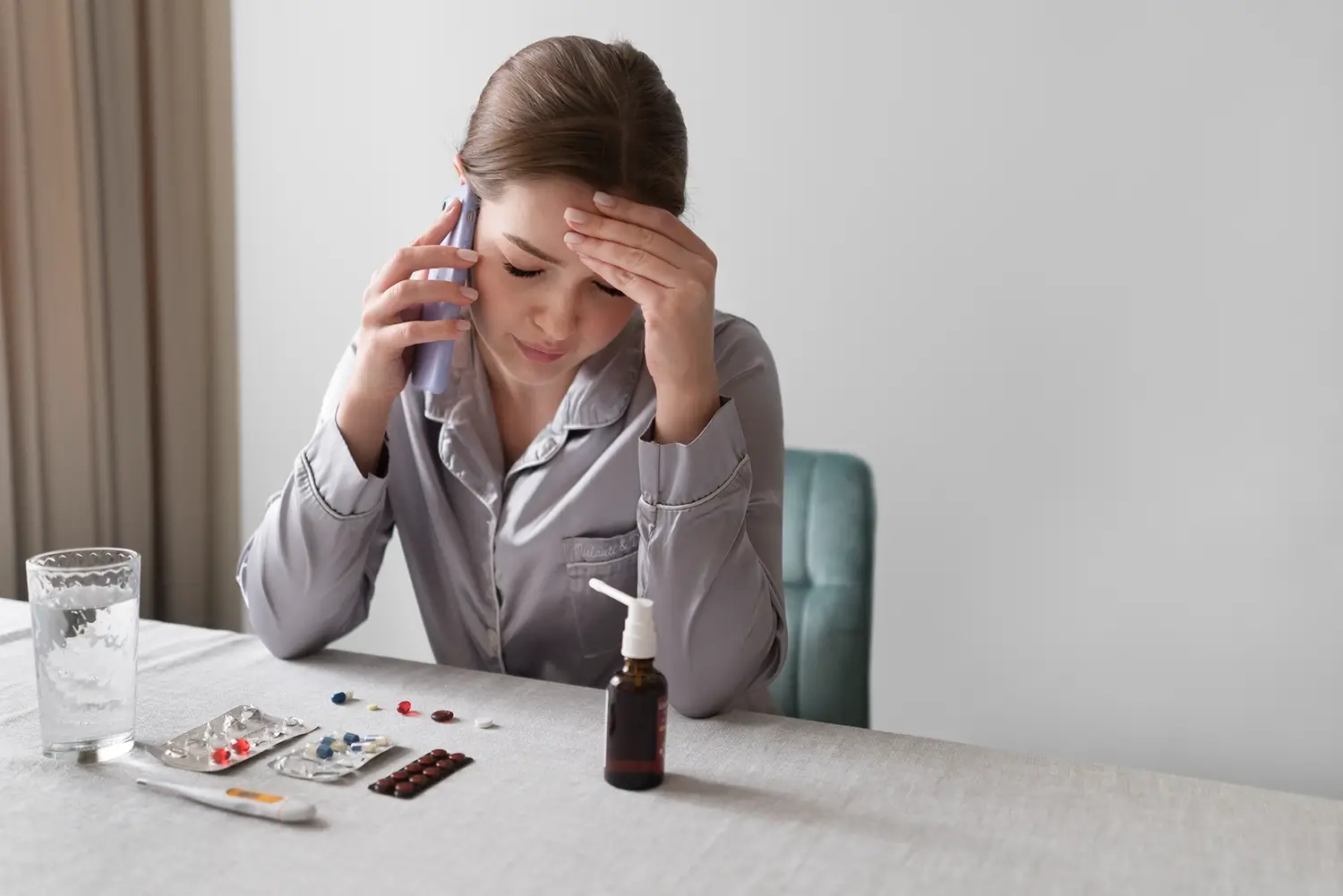





Fentanyl Addiction in Women

Fentanyl is one of the most powerful and dangerous opioids in circulation today. Originally developed for severe pain management, it’s now linked to a surge in overdose deaths nationwide. For women, fentanyl addiction often begins unknowingly — through counterfeit pills or laced substances.
At Sol Women’s Treatment, we help women understand fentanyl’s risks, recognize its hold, and take the first steps toward recovery in a safe, supportive environment.

Quick Takeaway

Fentanyl is a synthetic opioid up to 50–100 times stronger than morphine. Women are at increased risk of accidental overdose due to unintentional exposure and faster dependence. Sol Women’s Treatment offers trauma-informed care that helps women safely recover from fentanyl addiction.

What Is Fentanyl Addiction?

Fentanyl binds to the brain’s opioid receptors, rapidly producing pain relief and euphoria — but it also suppresses breathing and heart rate. Even microgram-level doses can be lethal.
Addiction develops when repeated use alters brain chemistry, making it nearly impossible to function without the drug. Many women become dependent after prescription use or exposure through counterfeit pills disguised as oxycodone or Xanax.

Signs and Symptoms of Fentanyl Addiction

Extreme drowsiness or confusion
Withdrawal symptoms (sweating, nausea, restlessness)
Paraphernalia such as powder, foil, or counterfeit pills
Slowed or irregular breathing
Pinpoint pupils
Secretive behavior or social withdrawal
Women using fentanyl often underestimate its potency — increasing the risk of accidental overdose even with small amounts.

Short-Term and Long-Term Effects

Short-term

Euphoria, pain relief, sedation
Nausea and dizziness
Respiratory depression (slowed breathing)

Long-term

Hormonal disruption and fertility issues
Organ damage from hypoxia
Heightened depression and anxiety
Overdose risk with repeated exposure

Why Women Are Uniquely Affected

Women metabolize opioids more slowly and are often prescribed pain medications more frequently. Emotional stress, trauma, and caregiving demands also increase vulnerability.

Additional risk factors

Unintentional use

Counterfeit pills or laced drugs

Co-occurring disorders

Anxiety or trauma driving self-medication

Biological sensitivity

Hormonal cycles can intensify withdrawal
Sol Women’s Treatment specializes in trauma-informed approaches that address both the physical dangers of fentanyl and the emotional roots of addiction.

Treatment for Fentanyl Addiction at Sol Women’s Treatment

Recovery requires careful stabilization and emotional healing. Sol’s continuum of care includes:

Partial Hospitalization (PHP)

Structured medical and therapeutic care.

Intensive Outpatient (IOP)

Flexible yet intensive therapy with accountability.

Outpatient (OP)

Ongoing relapse prevention and emotional support.

Therapeutic Focus

CBT, DBT, trauma therapy (EMDR, somatic), mindfulness, and holistic healing through nutrition and movement.

Taking the Next Step

Fentanyl addiction can feel hopeless, but recovery begins with understanding and support. Sol Women’s Treatment provides women with the tools, therapies, and compassion to reclaim their lives.

FAQs About Fentanyl Addiction in Women

How addictive is fentanyl?

Extremely — it’s 50–100 times more potent than morphine, leading to rapid tolerance and dependence.

Why are fentanyl overdoses so common?

Because fentanyl is often mixed with other substances, users may ingest lethal doses unknowingly.

Can women recover from fentanyl addiction without inpatient detox?

Medical detox is highly recommended, followed by outpatient or PHP care for long-term stability.

How does Sol Women’s Treatment approach fentanyl recovery?

Through trauma-informed, gender-specific care that treats both the physical and emotional aspects of addiction.
chevron-right