
What Holistic Means Here
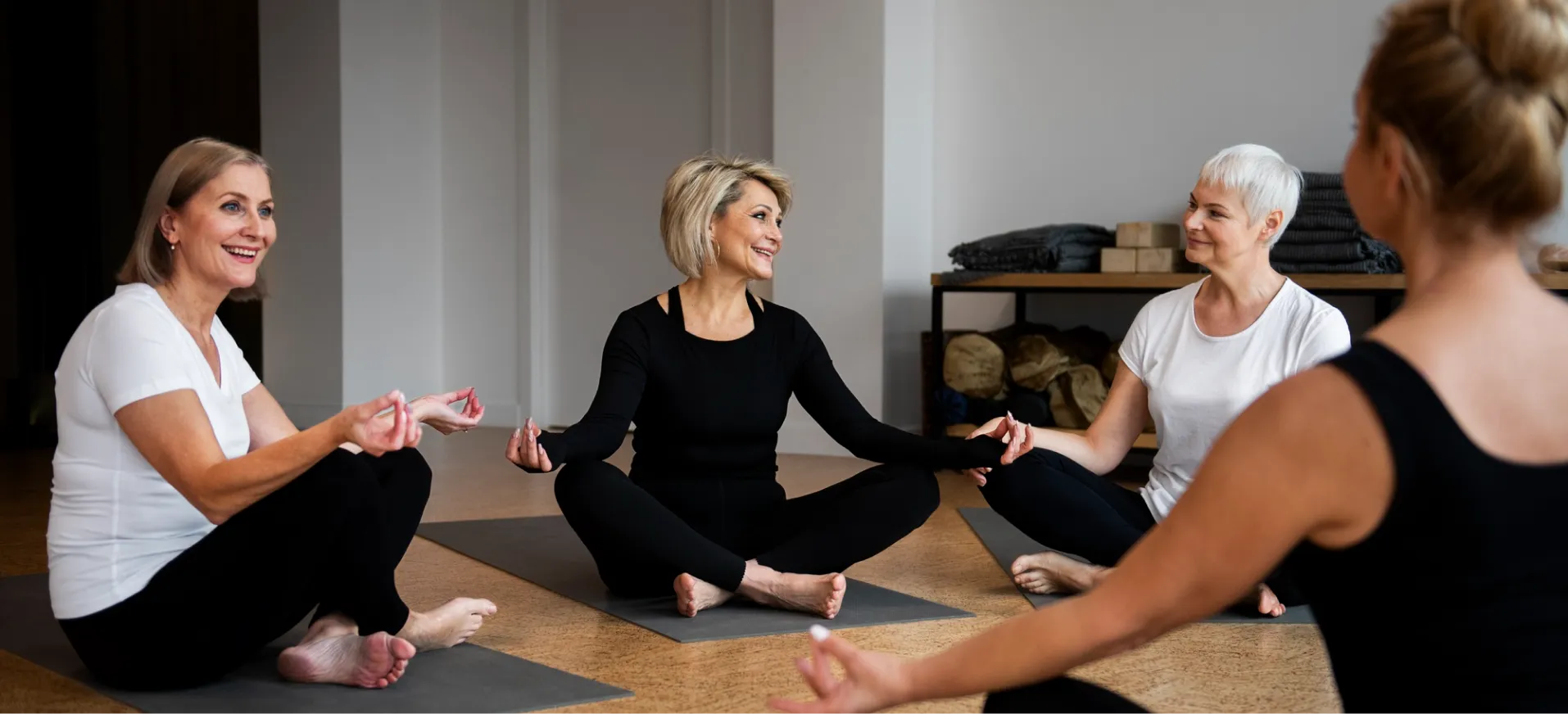
It refers to the parts of the week that work on something other than talking: body-based sessions, mindfulness practice, creative work and movement. At Sol that means somatic therapy, mindfulness and meditation, art groups and music groups, plus the yoga, breathing practice, sound sessions and movement that run inside the women’s wellness program. All of it runs alongside the clinical treatment across three levels of care in Riverside, in person.
That is the full list. We name each one so you know exactly what to expect.
Where All of This Sits in the Evidence

Here is how research views this whole category.
The VA and Department of Defense clinical practice guideline for PTSD rates the treatments it reviews on a five-point scale: Strong for, Weak for, Neither for nor against, Weak against, Strong against. In its Recommendation 27, it places creative arts therapies including music and art, mindfulness trainings, relaxation training, somatic experiencing, guided imagery, yoga, tai chi and acupuncture all together in the middle band, “Neither for nor against,” on insufficient evidence.1
Insufficient evidence is not a finding that these things fail. It means the research that would settle the question has not been done well enough or often enough.
The VA’s own conclusion about what to do with that is the framing we use, and we will quote it rather than paraphrase: the current evidence base does not support the use of these practices as a first-line intervention for PTSD, and given the lack of demonstrated harm along with initial positive evidence, they may be applied for people who prefer these options, as a gateway to additional services or for their ancillary health benefits.2
We offer them in the same spirit: not as a first-line treatment, but because many women value them and because they can make the rest of treatment feel easier to engage with.
Mindfulness has a stronger evidence base than the rest of this category, and the mindfulness page sets out what the National Center for Complementary and Integrative Health reports.
The guideline above is about credentialed disciplines: art therapy practiced by registered art therapists, and music therapy practiced by trained music therapists. Our art and music groups are led by program staff, so their pages describe the groups rather than borrowing that research. They are a warm and worthwhile part of the treatment week.
What Is Actually Offered
Each of these has its own page describing what it is, who leads it, and what the research shows.
| Approach | What it is | Evidence position |
|---|---|---|
| Somatic therapy | Body-based work: attention to sensation, breath and the nervous system | Neither for nor against, insufficient evidence |
| Mindfulness and meditation | Attention to the present moment without judgment | The strongest of the four. NCCIH supports adjunctive use |
| Art groups | Making something, then looking at it together. Run by program staff, not a credentialed art therapist | No claim made. Research on the credentialed discipline is still limited, and our group is staff-led |
| Music groups | Instruments, listening, playing, and room to talk afterward. Run by program staff, not a board-certified music therapist | No claim made. The published research is about music therapy as a credentialed profession, which Sol does not practice, so that page cites none of it |
Yoga, breathing practice, sound sessions and movement run as part of the women’s wellness program rather than as separate services, which is why they are described there. Movement means two indoor movement groups a week, led by Diana Saenz, who owns a female-focused gym. The VA and Department of Defense guideline places yoga in the same “Neither for nor against” band as everything else in this table. Sol does not offer acupuncture, and all movement sessions are held indoors.
What This Is Not

Holistic care supports your treatment rather than replacing it.
The clinical work at Sol is CBT, which every therapist here is trained in and which runs as groups; EMDR where trauma is central, delivered by an EMDRIA Certified Therapist; DBT skills groups; acceptance and commitment therapy groups; the group program that most of the week is built from; and medication management, which is included for every client.
The holistic parts sit alongside that. For many women they bring comfort, rest and connection to the week, and that is a meaningful contribution.
Starting Treatment
1
Call or Send Your Insurance Details
Admissions answers 24 hours a day, seven days a week.
2
Assessment
A clinician works out what is being treated and which level of care fits.
3
Verify Your Insurance
We contact your plan and walk you through your benefits.
4
Start Date
Set around what your week can hold.
If a particular one of these is the reason Sol appeals to you, say so on the call. You should get a direct answer about how often it runs and who delivers it.
In crisis right now? Call or text 988.
Frequently Asked Questions
Our admissions line is answered 24 hours a day, 7 days a week at (951) 972-5085.

What Does Holistic Therapy Mean at Sol?
Somatic therapy, mindfulness and meditation, art groups and music groups, plus the yoga, breathing practice, sound sessions and movement inside the women’s wellness program. All of it runs alongside the clinical treatment, and each has its own page.
Are the Art and Music Sessions Run by Credentialed Therapists?
No. Art groups and music groups are led by our program staff, not a credentialed art therapist or a board-certified music therapist; they’re a gentle, creative part of the week. That is why those two pages describe groups rather than clinical therapy.
Is Holistic Therapy Evidence-Based?
Some holistic practices, like mindfulness and yoga, have growing research support; others are offered for comfort and connection alongside evidence-based therapy. The VA and Department of Defense PTSD guideline places creative arts therapies, mindfulness trainings, relaxation training and somatic experiencing in its “Neither for nor against” category on insufficient evidence, which means the research has not settled the question yet.
So Why Offer Them?
We follow the VA’s reasoning: the evidence does not support them as a first-line intervention, and given the lack of demonstrated harm along with initial positive evidence, they may be offered to people who prefer them, as a gateway to additional services or for their ancillary health benefits.
Can I Come to Sol Just for the Holistic Parts?
They are part of our treatment program rather than standalone services, so they are offered to women enrolled in the program.
Do You Offer Yoga, Movement, Nutrition or Acupuncture?
Yoga yes, movement yes, nutrition support yes, acupuncture no. Yoga, breathing practice, sound sessions and movement run inside the women’s wellness program rather than as standalone services. Movement means two indoor movement groups a week, led by Diana Saenz, who owns a female-focused gym. Nutrition support is part of the program. Sol treats disordered eating and eating disorders when they come alongside another primary concern, and refers out when an eating disorder is the main diagnosis. Acupuncture is not offered at Sol, and all movement sessions are held indoors.
Does Insurance Cover Holistic Therapy?
These are part of your program rather than billed separately, so what matters is how your plan covers your level of care. Sol accepts most major insurance plans, including Aetna, Anthem, Blue Cross Blue Shield, Carelon, CareFirst, Cigna, UC SHIP and UnitedHealthcare. Sol can often work with HMO policies through a single case agreement. Sol does not accept Medi-Cal, Medicaid, Medicare, Molina, IEHP, Kaiser, TRICARE or TriWest. Every plan is different, so the quickest way to know is to verify your insurance. Our admissions team responds within 24 hours.
Show all 7 questions
Whole-Person Care, Alongside Your Treatment
We are always happy to walk you through which parts of the week are clinical care and which offer gentle support.
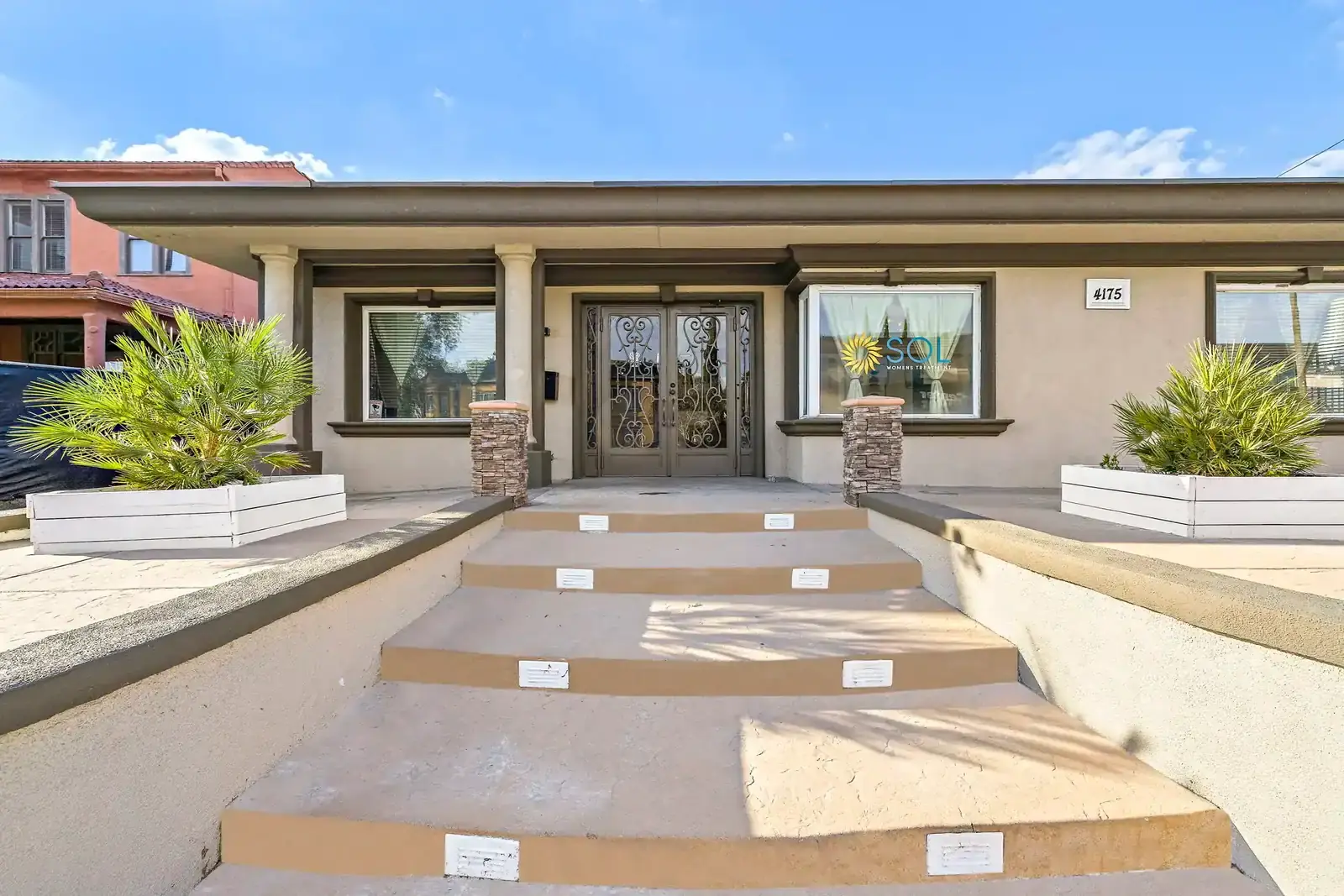
4175 Brockton Avenue, Riverside, CA 92501
Confidential, gentle and pressure-free. You never need to promise anything on the phone.
Sources2
- 1.US Department of Veterans Affairs and Department of Defense. Clinical Practice Guideline for the Management of Posttraumatic Stress Disorder and Acute Stress Disorder, 2023, Recommendation 27. https://www.healthquality.va.gov/guidelines/MH/ptsd/
- 2.US Department of Veterans Affairs, National Center for PTSD. Complementary and Integrative Health (CIH) for PTSD. https://www.ptsd.va.gov/professional/treat/txessentials/complementary_alternative_for_ptsd.asp
Medical Disclaimer
This page is educational and is not medical advice. The approaches described here are offered at Sol Women’s Treatment alongside clinical treatment and are not a treatment for any condition on their own. The VA and Department of Defense clinical practice guideline for PTSD currently places most of them in its insufficient-evidence category. Sol is certified by the California Department of Health Care Services for outpatient and intensive outpatient services, certification 330246AP, and licensed by the California Department of Social Services, facility 331881576, and does not provide detox, inpatient or residential care. No two women respond identically and nothing here promises a result. In a medical emergency call 911. If you are in crisis, call or text 988.