


Clinically Reviewed by

Choosing a mental health treatment center comes down to a few clear things: proper licensing, care built around women and trauma, evidence-based therapies, and an honest, no-pressure conversation about insurance. If you’re weighing your levels of care options, this guide is here to make the choice feel calmer, whether you’re looking for yourself or someone you love. You don’t have to have it all figured out before you reach out.


Key Takeaways
What to Look for in a Women’s Treatment Center
The right center is one where you feel safe, understood, and unhurried from the very first call. A few things make the biggest difference:
Proper licensing. A trustworthy program can tell you exactly how it’s licensed in California and answer plainly if you ask.
Women-specific, trauma-informed care. Female clinicians, women-only groups, and trauma-informed therapy that’s paced with safety first.
Evidence-based therapies. Approaches like EMDR, DBT, CBT, and somatic therapy, led by licensed clinicians.
A level of care that fits your life. The right amount of structure for where you are now, not more than you need, and not less.
Clear, kind answers about insurance. A caring team checks your benefits for you and explains coverage in plain language.
Understanding the Levels of Care

Most women’s mental health care happens at one of a few outpatient levels. The right one depends on how much structure and support feels right for where you are now.
Sol is an outpatient program with supportive housing, not a hospital or a residential facility. That means you receive structured, trauma-informed care during the day while keeping your own space and routine. If a woman’s needs ever call for a higher level of medical care, a good team will help her find the right place, gently and without judgment.
Questions Worth Asking When You Call
You don’t need a script or a clipboard. A few gentle questions will tell you most of what you need to know:

Is this a women-only program, with female clinicians and groups?
What levels of care do you offer, and how do you help me choose?
Which trauma-focused therapies do you use, and who leads them?
How are your clinicians licensed and credentialed?
Will you check my insurance for me, and when will I hear back?
What does a typical day look like, and do you offer supportive housing?
How to Check That a Program Is Properly Licensed
In California, mental health and addiction programs are overseen by state agencies, and a trustworthy program will tell you plainly how it’s licensed. Here’s how to check:
Ask the program directly how it’s licensed and certified, and by which state agency.
Confirm the clinicians are licensed and named, not anonymous “support staff.”
Notice how they answer. Clear, unhurried responses are a good sign; vague or evasive ones are worth pausing on.
As an example of what that looks like: Sol Women’s Treatment is certified by the California Department of Health Care Services (DHCS) for outpatient and intensive outpatient services, and licensed by the California Department of Social Services (CDSS) as an Adult Day Program. You can read more about our care on our treatment center page.
A Gentle Word About Insurance
Insurance can feel like the most stressful part, but it doesn’t have to be, and you don’t need all the answers before you reach out. A caring team will verify your benefits for you, confidentially, and explain what your plan covers in plain language. At Sol, we work with PPO and many HMO plans, and after you verify your insurance we’ll follow up, usually within one business day. Sol does not accept Medicaid or Medicare.
What Reaching Out Looks Like
A Few Things Worth Noticing
Most programs want to help. Still, a few things are worth paying gentle attention to as you compare your options:
Staff credentials or licensing that can’t be explained clearly.
No plan for what happens after treatment, or how care continues.
Confusing or unclear answers about billing.
Pressure to decide or sign quickly. The right program gives you room to breathe.
Frequently Asked Questions
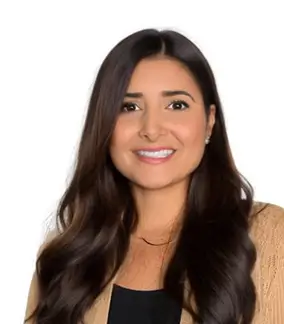
Written by the Sol Women’s Treatment clinical team and reviewed by Tania Acevedo, MA, LPCC. Content is grounded in women’s mental health, trauma-informed care, and outpatient behavioral health practice. Updated regularly for clinical accuracy.
Outpatient · Riverside, CA
Women’s Mental Health
This article is for informational and educational purposes only and does not constitute medical advice, diagnosis, or treatment recommendations. If you or someone you know is experiencing a mental health crisis, please contact a qualified healthcare provider or call 988 (Suicide & Crisis Lifeline). Sol Women’s Treatment is a CDSS-licensed outpatient program, not inpatient or residential care. Individual results vary and no specific outcomes are guaranteed.