



Clinically Reviewed by

Learning how to stop drinking wine every night starts with three things: checking whether your body has come to rely on alcohol, replacing the evening ritual wine has been filling, and caring for the stress or loneliness underneath it. Many women find the nightly glass began as a way to unwind.
Over time, it can become a pattern that feels hard to put down on your own. If it has started to feel that way, our women-only alcohol addiction treatment in Riverside offers outpatient support in a calm, all-female setting.


Why the Nightly Glass Becomes Hard to Skip
For many women, the evening glass is less about taste and more about marking the end of a long day. Over time, everyday cues, like finishing dinner or getting the kids to bed, become linked with that first pour.
Often, the glass is also quietly helping with something else, such as anxiety, low mood, or feeling alone in the evenings. When drinking and emotional strain travel together, our co-occurring disorder treatment for women treats both at the same time, so you build new ways to cope while you cut back.
Start With a Gentle Safety Check
It helps to know how much you are really drinking. The National Institute on Alcohol Abuse and Alcoholism (NIAAA) explains that one standard drink holds about 0.6 ounces of pure alcohol, the amount in a 5-ounce glass of wine at 12%. If your pours are larger than 5 ounces, two glasses can add up to three drinks or more.
Drinking every day can lead the body to depend on alcohol. MedlinePlus guidance on alcohol withdrawal from the National Library of Medicine notes that symptoms usually begin within 8 hours of the last drink and tend to peak within 24 to 72 hours. The more often you drink, the more likely withdrawal becomes.
Please talk with a doctor before you stop if any of these feel familiar:
Sol does not provide detox; if you need medically supervised withdrawal, we will help you find the right place to start. If you have a seizure, fever, severe confusion, an irregular heartbeat, or see or hear things that are not there, call 911 or go to the nearest emergency room.
If you are struggling emotionally, you can call or text 988 at any time. SAMHSA’s National Helpline, 1-800-662-HELP (4357), also offers free, confidential treatment referrals 24 hours a day.
Small Steps to Stop Drinking Wine Every Night
If your safety check feels clear, small changes you can repeat each evening are often easier to keep than one big promise. Pick two or three of these steps to start this week.
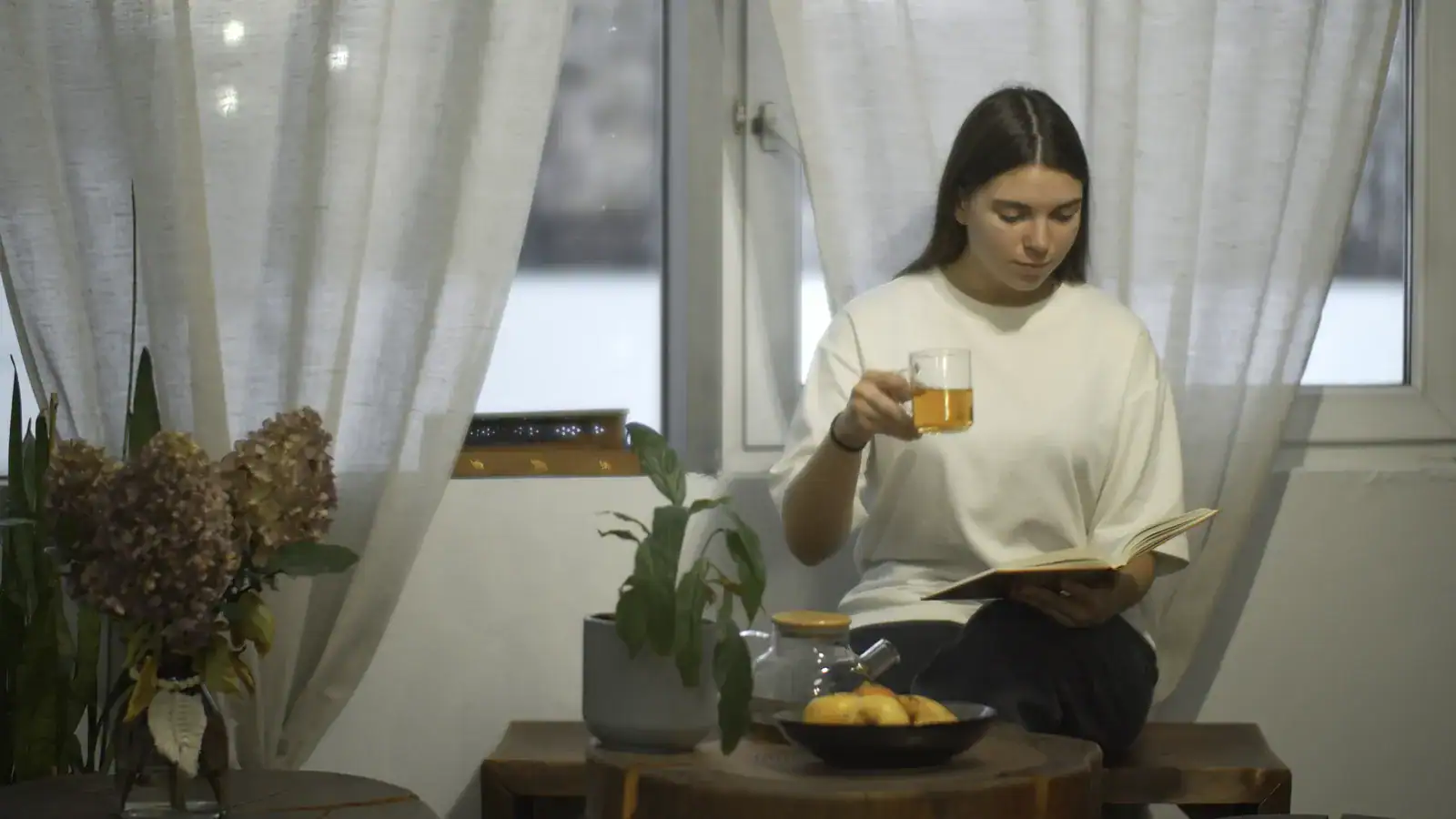
What to Do After a Night You Drank
A night with wine does not erase your progress. Treat it as information: what was happening, how you felt, and what might help next time. Pick your plan back up the next evening.
Early evenings without wine can feel restless, and sleep may take a little time to settle. If the habit keeps pulling you back, it is not a personal failure. It may mean you need more support than willpower alone.
When Women-Only Outpatient Care Can Help
It may be time for more support if you have tried to cut back and could not, if drinking is affecting your sleep, work, or relationships, or if anxiety and low mood feel heavier without wine. You do not need to reach a crisis point to ask for help.
Our intensive outpatient program for women in Riverside meets three days a week, and you choose your days, with two morning start times to choose from. Groups stay small, about six to eight women, and weekly psychiatry, medication management, and case management are included.

For a closer look at how care for mental health and drinking fits together, our guide to what dual diagnosis treatment involves walks through each step. Everything happens in person, in a private building in downtown Riverside.
When you are ready, you can verify your insurance online or speak with our admissions team. A woman from our admissions team responds within 24 hours.
Frequently Asked Questions About Nightly Wine

Written by the Sol Women’s Treatment clinical team and reviewed by Tania Acevedo, MA, LPCC. Content is grounded in women’s mental health, trauma-informed care, and outpatient behavioral health practice. Updated regularly for clinical accuracy.
This article is for informational and educational purposes only and does not constitute medical advice, diagnosis, or treatment recommendations. If you or someone you know is experiencing a mental health crisis, please contact a qualified healthcare provider or call 988 (Suicide & Crisis Lifeline). Sol Women’s Treatment is a CDSS-licensed outpatient program, not inpatient or residential care. Individual results vary and no specific outcomes are guaranteed.