


























Helping Women Heal from Dependence and Mental Health Struggles

TL;DR: Quick Answer

SOL Women's Treatment is an all-female outpatient program in Riverside, CA treating mental health, substance use, and co-occurring disorders.

Conditions treated include:

  • Depression, anxiety, PTSD, BPD, and bipolar disorder
  • Alcohol use disorder (AUD), opioid use, meth, benzodiazepines, and more
  • Co-occurring mental health and substance use disorders

Levels of care: PHP (Partial Hospitalization), IOP (Intensive Outpatient), OP (Outpatient), and supportive housing.

Approach: Trauma-informed, evidence-based care using CBT, DBT, EMDR, and holistic therapies.

Insurance: Most major insurance plans are accepted; benefits can be verified confidentially.

Where: Riverside, CA; serving Corona, Redlands, San Bernardino, and the broader Inland Empire.

Key Takeaways

  • Women progress from first substance use to dependence faster than men—a pattern called the telescoping effect (NIDA).
  • Nearly 1 in 5 women in the U.S. experiences a mental health condition annually (NIMH).
  • Co-occurring disorders (dual diagnosis) are common: ~9.2 million U.S. adults have both a mental illness and a substance use disorder (SAMHSA).
  • Women face unique barriers to treatment: caregiving roles, stigma, and trauma exposure.
  • Integrated treatment—addressing SUD and mental health together—produces better outcomes than treating conditions separately.
  • SOL provides gender-responsive care in a private, all-female outpatient environment.

The Telescoping Effect: Why Women Progress Faster

The telescoping effect describes the accelerated timeline from first use to dependence and treatment entry observed in women compared to men. This pattern is documented across alcohol, opioids, and stimulants. Biological factors—including differences in body composition, hormone levels, and liver metabolism—contribute to faster absorption and more severe physiological effects at lower doses.

Mental Health vs. Substance Use Disorders in Women: At a Glance

Mental Health Conditions Substance Use Disorders
Prevalence in women ~1 in 5 women annually (NIMH) Rising rates; faster progression than men (NIDA)
Key risk factors Trauma, hormonal changes, caregiving stress Telescoping effect, trauma, domestic violence
Common conditions at SOL Depression, anxiety, PTSD, BPD, bipolar disorder Alcohol, opioids, meth, benzodiazepines, stimulants
Treatment approach CBT, DBT, EMDR, group therapy, holistic care Ambulatory detox, SUD PHP/IOP/OP, relapse prevention
Co-occurring overlap Frequently co-occurs with SUD Frequently co-occurs with mental health conditions

Substance Use Disorders Treated at SOL Women's Treatment

Substance use disorder (SUD) is a chronic condition involving compulsive substance use despite significant health, social, or occupational consequences. SOL treats a full range of SUDs in women through its women's addiction treatment programs, using medically informed, trauma-aware care.

Alcohol Use Disorder (AUD)

Alcohol use disorder is the most commonly treated substance condition at SOL. Women are at higher risk for alcohol-related liver damage, cardiovascular effects, and neurological harm at lower consumption levels than men—a disparity documented by the National Institute on Alcohol Abuse and Alcoholism (NIAAA). [CLAIM REQUIRES FACT-CHECK OR CITATION]
  • SOL treats AUD at the PHP, IOP, and OP levels of care.
  • Ambulatory (outpatient) detox support is available for women who do not require 24-hour medical supervision.
  • Evidence-based therapies include CBT, DBT, motivational interviewing, and relapse prevention planning.
Learn more about alcohol addiction in women

Opioid Use Disorder (Including Heroin and Fentanyl)

Opioid use disorder in women often begins with prescription opioid misuse before transitioning to heroin or illicit fentanyl. The CDC has reported rising opioid-involved overdose deaths among women, with a disproportionate burden in the 25–54 age range.
  • SOL provides outpatient-level care for opioid use disorder.
  • Treatment integrates trauma therapy, given the high overlap between opioid use and trauma history in women.
See also: opioid addiction in women | heroin addiction | fentanyl addiction

Stimulant Use Disorders: Cocaine and Methamphetamine

Stimulant use disorders—including cocaine and methamphetamine—are increasingly common among women who use substances to manage high-demand responsibilities, chronic stress, or trauma-related exhaustion.
  • Meth use is associated with significant psychiatric comorbidities, including psychosis, depression, and anxiety.
  • Cocaine use disorder frequently co-occurs with anxiety disorders in women.
See also: cocaine addiction in women | meth addiction in women

Benzodiazepine and Prescription Drug Use Disorders

Benzodiazepines (including Xanax) and prescription medications are among the most frequently misused drug classes by women, often beginning as prescribed treatment for anxiety, insomnia, or pain management.
  • Physical dependence on benzodiazepines can develop within weeks of regular use.
  • Withdrawal from benzodiazepines requires medically informed management.
  • SOL's ambulatory detox and PHP programming can support stabilization before transitioning to IOP.
See also: benzodiazepine addiction in women | Xanax addiction in women | prescription drug addiction

Other Substances Treated

  • LSD and hallucinogens
  • Nitrous oxide
Each requires individualized assessment. View the full substance use conditions overview for details.

Frequently asked questions

What is the difference between dependence and addiction?

Dependence refers to the body's physiological adaptation to a substance, including tolerance and withdrawal. Addiction involves compulsive use of a substance despite harmful consequences. Both are clinical conditions that benefit from professional treatment. NIDA recognizes both as distinct but frequently overlapping presentations.

Can women with both a substance use disorder and a mental health condition receive treatment at SOL?

Yes. Treating co-occurring disorders simultaneously is a core clinical strength at SOL. Both conditions are assessed and treated within a unified treatment plan—consistent with SAMHSA's best practices for dual diagnosis care.

What levels of care does SOL Women's Treatment offer?

SOL provides Partial Hospitalization (PHP), Intensive Outpatient (IOP), and Outpatient (OP) programming for mental health and substance use disorders. All-female supportive housing is also available for women attending PHP or IOP.

Does SOL Women's Treatment accept insurance?

Most major commercial insurance plans are accepted. Coverage varies by policy, level of care, and benefit year. The admissions team verifies benefits confidentially before your start date.

What is EMDR therapy and who is it appropriate for?

EMDR (Eye Movement Desensitization and Reprocessing) is an evidence-based trauma therapy that reduces the emotional intensity of traumatic memories through bilateral stimulation. It is appropriate for PTSD, complex trauma, and trauma-related anxiety. SOL's EMDR is delivered by an EMDRIA-certified therapist.

Does SOL treat trauma alongside substance use disorders?

Yes. Trauma is addressed throughout all levels of SOL's programming. SOL offers dedicated trauma therapy, EMDR, and a Trauma-Targeted Program track for women with significant trauma histories.

Is SOL Women's Treatment exclusively for women?

Yes. SOL is an all-female program—clients, clinical staff, and leadership are all women. This gender-responsive model is designed to create safety, reduce stigma, and support trauma recovery in an environment free from gender-based power dynamics.

What should I bring or expect on my first day?

The admissions team will provide a personalized checklist after your intake assessment. Typically, you can expect a clinical orientation, group introductions, and an individual session within your first week. SOL's team will contact you ahead of your start date to answer questions and reduce uncertainty about the process.

Frequently asked questions

What does “dependence” mean in treatment?

Dependence refers to the body and mind’s reliance on a substance or coping behavior. Unlike casual use, dependence impacts daily life and requires professional treatment.

Is there a difference between dependence and addiction?

Yes. Dependence involves reliance and withdrawal, while addiction includes compulsive use despite harm. According to NIDA, both require evidence-based treatment.

Does Sol Women’s Treatment accept insurance?

Yes. Most major insurance providers cover addiction and mental health treatment. Our team verifies benefits on your behalf.

Can women outside Riverside attend treatment?

Absolutely. Many women travel from Redlands, Yucaipa, San Bernardino, and the wider Inland Empire for care.

Do you treat both mental health and substance use at the same time?

Yes. Dual diagnosis care is a core strength of our program, aligning with SAMHSA’s best practices for co-occurring disorders.

How long does treatment last?

Length of care depends on individual needs, but many women engage in 30–90 day programs, followed by outpatient or supportive housing.

What happens if I relapse?

Relapse is not failure. If it occurs, our team adjusts treatment—stepping up care into IOP or PHP if necessary.

Can family be involved in treatment?

Yes. Family therapy is available to strengthen support systems, reduce stigma, and build long-term resilience.

Blog

my wife drinks a bottle of wine a night

My Wife Drinks a Bottle of Wine a Night: What It Means and What You Can Do

This article focuses on if your wife drinks a bottle of wine a night as a specific, concrete pattern to...
Read More
vyvanse-side-effect

Vyvanse Side Effects in Females: A Practical, Evidence-Based Guide

Vyvanse (lisdexamfetamine) is a prescription central nervous system stimulant approved for ADHD treatment and binge-eating disorder. It produces a range...
Read More
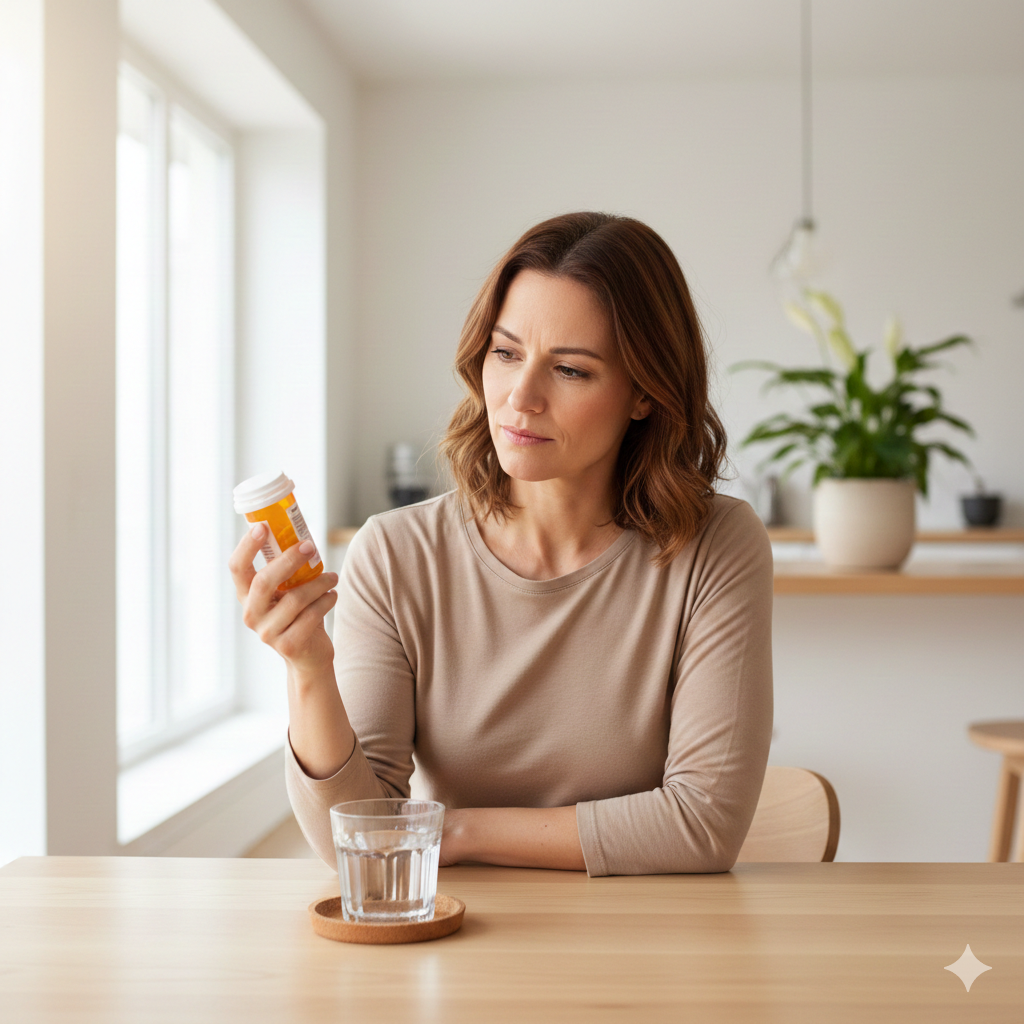
A woman sitting at a table looking thoughtfully at a medication bottle and a glass of water.

Can You Drink on Wellbutrin (Bupropion)? Risks, Safety Tips, and What to Do

Drinking alcohol while taking Wellbutrin (bupropion) is a safety concern that requires careful consideration because bupropion lowers the seizure threshold,...
Read More
A woman sitting peacefully in a bright room, symbolizing physical and mental wellness after recovery.

Understanding Female Alcoholic Face: Signs, Skin Changes, and What Helps

Female alcoholic face refers to visible skin and facial changes — persistent redness, spider veins, puffiness, and dull tone —...
Read More
Making informed lifestyle choices during the three-month preconception window can help optimize hormonal health and fertility.

How Does Alcohol Affect Hormones in Females? Effects on Estrogen, Ovulation, and Fertility

Alcohol affects female hormones by altering liver metabolism of sex steroids, disrupting hypothalamic-pituitary-gonadal signaling, and changing circulating levels of estrogen,...
Read More
A woman tracking her menstrual cycle on a tablet while staying hydrated

Why Does My Period Stop When I Drink Alcohol? Causes, Effects, and What to Do

Alcohol-related menstrual changes occur when drinking disrupts hormone levels that regulate ovulation and bleeding patterns, potentially causing periods to stop,...
Read More
A woman in a supportive recovery setting practicing hydration to manage alcohol withdrawal symptoms

How to Stop Alcohol Shakes: Safe Steps, Timeline, and When to Seek Care

Alcohol withdrawal tremors are involuntary muscle shaking caused by nervous system hyperactivity after reducing or stopping heavy alcohol use. Physical...
Read More
a woman in bed in riverside california with insomnia from alcohol abuse

How to Stop Alcohol Insomnia: Practical Steps to Restore Sleep in Early Recovery

Alcohol insomnia is a sleep disorder characterized by difficulty falling asleep, staying asleep, and experiencing restorative rest during and after...
Read More
A group of women discussing how to stop alcohol cravings

How to Stop Alcohol Cravings: Practical, Evidence-Based Strategies and When to Seek Help

Alcohol cravings are strong urges to drink that result from neurological adaptations, psychological triggers, and conditioned behavioral patterns, and can...
Read More
woman looking distraught

Emotional Numbness: Causes, Symptoms, and Ways to Recover for Women

Have you ever felt like you’re going through the motions of life but can’t actually feel anything? Like you’re watching...
Read More
woman talking to doctor

How Women Can Taper Off Alcohol Safely?

For women struggling with alcohol dependence, the decision to reduce or quit drinking is an important step toward wellness. At...
Read More
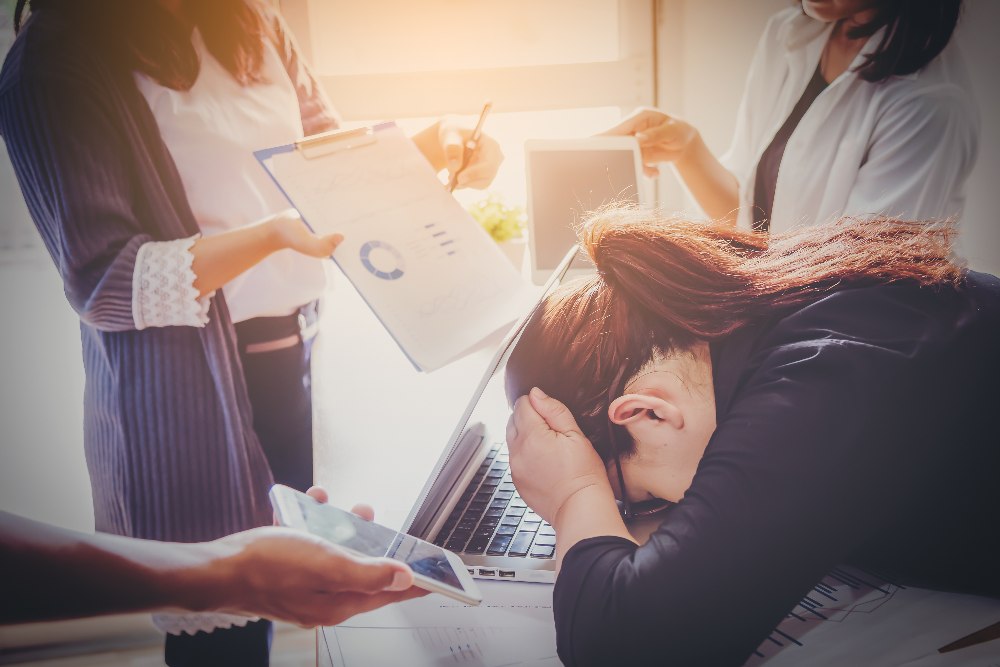
Stressed person With Papers And Charts

How to Deal with Feeling Overwhelmed

Feeling overwhelmed can leave you paralyzed, scattered, and exhausted—like you’re drowning in responsibilities while your mind races in circles. At...
Read More
How to Taper Off Alcohol Safely — A Practical, Evidence-Aware Guide

The Role of Somatic Therapy in Treating Anxiety and Depression

If you’ve been living with anxiety or depression, you know these conditions affect far more than your thoughts and emotions....
Read More
How to Deal with Overwhelm: Practical, Trauma‑Informed Strategies for Women

Understanding Somatic Therapy: How Your Body Holds Trauma

When you think about healing from trauma, you might imagine sitting in a therapist’s office, talking through your experiences. While...
Read More

Pregnancy Anxiety: Mental Health Support During Pregnancy

Pregnancy brings profound physical and emotional changes that can trigger or intensify anxiety for expectant mothers. While some worry about...
Read More

Holistic Mental Health: Combining Traditional Therapy with Wellness Practices

The journey to mental wellness doesn’t follow a single path. While evidence-based therapies like CBT and DBT provide essential tools...
Read More

Signs of Burnout: When Is It Time to Make a Change?

Do you wake up each morning feeling exhausted before your day even begins? Does the work you once found meaningful...
Read More

What Is Gaslighting: How to Know if You’re Being Gaslit

If you’ve ever found yourself questioning your own memory, doubting your perceptions, or wondering if you’re “too sensitive,” you may...
Read More

PHP vs. IOP: Which Mental Health Treatment Level is Best for You?

Choosing the right level of mental health care can feel overwhelming, especially when you’re already struggling with anxiety, depression, trauma, or other mental...
Read More

Trauma Bonding: Why Women Stay in Toxic Relationships

Understanding the psychological patterns that keep women trapped in harmful relationships If you’ve ever wondered why intelligent, capable women stay...
Read More
a woman holding a cup of coffee

Understanding High-Functioning Anxiety in Women

On the outside, Sarah appears to have it all together. She’s a successful marketing professional, maintains an active social calendar,...
Read More
a woman sitting on a dock

What are the Best Non-Medication Treatments for Depression?

Depression affects millions of people worldwide, and while medication can be effective for many, there are numerous evidence-based non-medication approaches...
Read More
a woman sitting on the sidewalk

The Cycle of Abuse: Understanding Battered Woman Syndrome

Intimate partner violence affects millions of women across the United States, with approximately 41% of women experiencing contact sexual violence,...
Read More
a woman sitting on a step

Signs It’s Time to Seek Mental Health Support as a Woman

As women, we’re often conditioned to prioritize everyone else’s needs before our own. We juggle multiple roles—professional, caregiver, partner, friend—while...
Read More
a group of women standing in a greenhouse

The Benefits of Supportive Housing for Women

When women face mental health challenges, the environment where they heal can be just as important as the treatment they...
Read More
a group of women giving each other high five

Outpatient Mental Health Programs in Riverside: What Women Should Know

Mental health challenges affect millions of women across the United States, yet many struggle to find treatment programs that truly...
Read More
a woman standing in front of a train

Symptoms of PTSD after Domestic Abuse

Domestic abuse can have profound and lasting psychological effects long after you’ve left the relationship. One of the most common...
Read More
a group of women smiling

Why Is Depression More Common in Females?

Depression affects millions of people worldwide, but research consistently shows that women are approximately twice as likely as men to...
Read More

Conditions We Treat

Mental health conditions are illnesses that affect a person’s mood, thoughts, and behavior. At Sol, we take a holistic approach to treating mental health disorders along with cutting-edge, evidence-based therapies.

ADHD

ADHD is a prevalent and well-known condition. ADHD is characterized by patterns of inattention, hyperactivity, or impulsivity.

Read More
Anger Management

Anger is not a negative emotion itself, but when it is not managed well, it can negatively impact one's well-being, relationships and work. Anger can also lead to more severe emotional and behavioral problems.

Read More

Anxiety

An estimated 31.1% of U.S. adults experience an anxiety disorder at some point in their lives. Anxiety symptoms include intrusive thoughts and worries that are present most days and impact health, work, and social interactions.

Read More

Bipolar Disorder

Bipolar disorder is a mood disorder characterized by dramatic shifts in mood, energy, and activity levels that negatively affect a person’s ability to carry out daily tasks. Bipolar disorder was previously known as manic-depressive illness or manic depression.

Read More

Borderline Personality Disorder

Personality disorders represent a group of psychiatric conditions that involve long-term patterns of thoughts and behaviors that are detrimental to one’s well-being. These may include borderline, narcissistic, paranoid, schizoid, or histrionic personality disorder.

Read More

Childhood Trauma Disorder

Childhood trauma is a significant issue, with studies indicating that a substantial number of individuals experience some form of trauma during their early years. This widespread prevalence often leads to long-term mental health challenges, underscoring the need for effective intervention and support.

Read More
Co-Occurring Disorder

Approximately 9.2 million Americans have a co-occurring disorder involving mental illness and substance abuse. One chronic disease that is commonly found in those who abuse substances is mental illness.

Read More

Depression

Depression is one of the most common mental health disorders in the US. Depression is a serious mood disorder that can cause severe symptoms affecting how a person thinks, feels, and handles daily activities

Read More

Dissociative Disorder

Dissociative disorder is a mental health condition that affects a person’s identity, memory, and perception of reality. People with dissociative disorders may experience periods where they feel detached from their own thoughts, feelings, and memories.

Read More

Impulse Disorder

Impulse disorders are a group of mental health conditions that involve difficulty controlling actions or behaviors. People with impulse control disorders experience strong urges to engage in certain behaviors that can have negative consequences on their personal and professional lives.

Read More

Paranoid Personality Disorder

Paranoid personality disorder (PPD) is a mental health condition characterized by extreme and unwarranted suspicion, mistrust, and hypersensitivity towards others. People with PPD often have difficulty forming and maintaining close relationships due to their constant fear of being taken advantage of or betrayed.

Read More

Postpartum Depression Disorder

Postpartum depression is a type of mood disorder that occurs after childbirth. When new mothers experience persisting and intensifying feelings of sadness, anxiety, or exhaustion after giving birth, they may have postpartum depression.

Read More

Post-Traumatic Stress Disorder (PTSD)

Trauma is very common: 6 of every 10 men (60%) and 5 of every 10 women (50%) can identify one or more traumatic events in their life. PTSD and trauma encompass physical and psychological responses, with some being mild and others interfering with a person’s ability to function in daily life.

Read More

Obsessive Compulsive Disorder (OCD)

OCD Treatment for Women in Riverside, CA Living with OCD means battling intrusive thoughts and compulsive behaviors that can consume hours of your day and cause significant distress. For women, OCD symptoms can fluctuate with hormonal changes and may present differently than in men, often focusing on specific themes like contamination or harm prevention. At […]

Read More

Mental Health Treatment Covered by Insurance

(951) 972-5085

Verify Insurance

Use the form below and one of our team members will get back to you
[fluentform id="1"]